Economic gains derailed by Middle East war. Austerity, EV buses, and widening the tax base are now critical, not optional.
While Pakistan's economic trajectory was initially on track for sustainable growth - clocking 4% this year with an eye toward 5% next - the path has been upended by the US-Iran conflict. Initially perceived as a two-week skirmish, it has stretched into two months, leading to surging oil and LNG prices that are battering low-income nations, including Pakistan.
Had peace overtures succeeded, Pakistan would currently be enjoying an economic breather and significant diplomatic goodwill. Instead, the blockade of the Strait of Hormuz threatens to dismantle Pakistan's economic outlook. The fallout includes spiking inflation, further interest rate hikes, a 0.5-1% contraction in growth, and looming currency depreciation.
Energy uncompetitiveness is stifling exports and fueling unemployment, forcing capital back into banks rather than long-term industrial formation. In this climate of triple-digit oil prices, the government must double down on austerity measures to curb fuel consumption. Rapidly accelerating the adoption of electric bus public transport is the most effective way to provide relief to the masses while slashing the national fuel bill in the short-to-medium term.
The state must aggressively widen the tax base. While provincial resistance has stalled agricultural taxes, the "black economy" must be fairly and firmly targeted. Relief should now pivot towards the formal sector. Salaried individuals deserve lower taxes and reinstated tax credits, alongside the phasing out of the super tax and reduced corporate rates for compliant companies.
To encourage formalization, small and medium enterprises listing on the Pakistan Stock Exchange should receive long-term tax incentives. Furthermore, real estate policy must shift: incremental taxes should discourage speculative plot purchases, while lower taxes should incentivize the purchase of houses and apartments. Extending the Prime Minister's Housing Scheme limit from Rs10 million to Rs15 million could also absorb underutilized capacity in the cement, steel, and glass sectors.
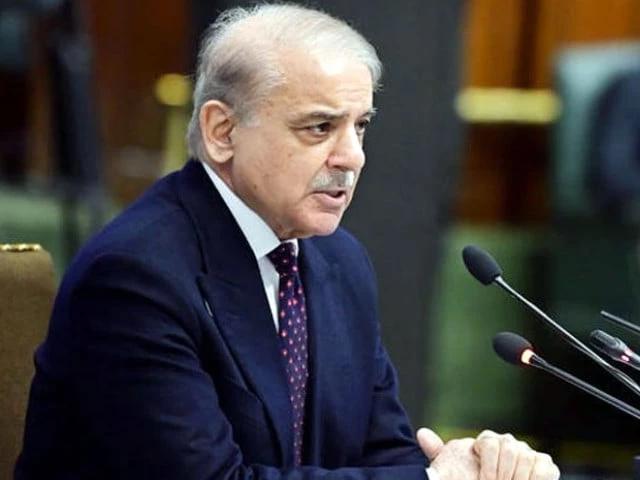
The prime minister highlighted that the weekly energy import bill surged from $300 million to $800 million at war’s peak. Even with demand destruction, an additional $700 million in imports coupled with a $200 million dip in remittances could push the current account into an $8-10 billion deficit.
The State Bank of Pakistan is rightly proactive, raising rates by 1% to curb inflation and preserve the currency - avoiding the systemic mistakes made during the shocks of 2008 and 2021. However, defensive measures are not enough. We require a "whole-of-government" approach characterised by the same panic and dedication seen in wartime.
Weekly, prime minister-led monitoring of "export and investment-led growth" is essential. There is no other way for Pakistan to punch according to its geopolitical weight than to achieve true strategic autonomy. While Saudi Arabia's timely $3 billion intervention helped settle bilateral debt with the UAE, the focus must now shift to repaying $10-12 billion to China and Saudi Arabia over the next few years through earned exports and foreign direct investment.
This structural overhaul is even more critical than navigating the immediate oil shock. Transitioning the informal economy into the formal fold using a "carrot-and-stick" approach must begin today with public awareness. We must identify and activate underutilized capacity across all sectors - from textile and IT to minerals and pharmaceuticals.
Leveraging the Roshan Digital Account to tap overseas capital for "big ticket" infrastructure, AI research, and refinery upgrades must be prioritised weekly. These efforts cannot be buried in endless committees or static presentations. Pakistan's military prowess and intellectual talent far exceed what is suggested by its low GDP per capita and high debt.
By doubling that and managing population growth, Pakistan could join the top 10 global economies within two decades. Twenty years is a short window in history, but it requires an unwavering indoctrination of economic growth among policymakers and the public. We must think beyond the next election to become the economically shining, strategically autonomous nation our founders envisioned.
The writer is an independent economic analyst.