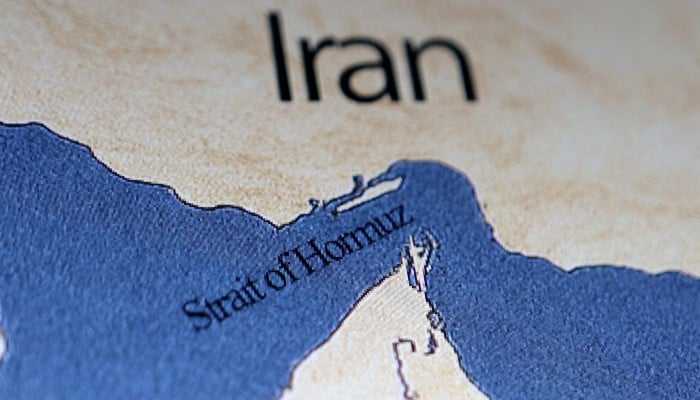
A map showing the Strait of Hormuz and Iran is seen in this illustration taken June 22, 2025. — Reuters
Iran has claimed control over a significant portion of the Strait of Hormuz, extending its influence near an important UAE port. According to reports, ships traveling through the strait are now required to seek approval from Iranian authorities.
In response, a top UAE official expressed strong disapproval of Iran's claims and termed it as "a pipe dream." The official emphasized that such unilateral actions could disrupt global oil supplies and lead to unnecessary tensions in the already volatile region.
To counteract what it perceives as an encroachment on its sovereignty, the UAE has rapidly advanced plans for a bypass pipeline through Oman. This initiative aims to provide alternative routes for shipping traffic around Iran's claimed zone, ensuring continued maritime freedom of navigation.
The move comes amid ongoing geopolitical tensions between the two nations and reflects the UAE's determination to maintain control over vital trade lanes in the Persian Gulf. Critics argue that such actions could escalate regional conflicts further, while supporters see it as a prudent measure to safeguard economic interests.
UAE officials have repeatedly warned Iran against any unilateral moves that might disrupt international shipping or threaten the strategic importance of the Strait of Hormuz. They maintain that maintaining open and unimpeded access for all vessels through this crucial waterway is in everyone's best interest.
The dispute over the strait, which serves as a vital conduit for 30% of global oil exports, underscores the complex dynamics between regional powers and their potential impact on global energy security. As tensions continue to simmer, both countries are carefully navigating these waters to avoid further escalation while protecting their national interests.