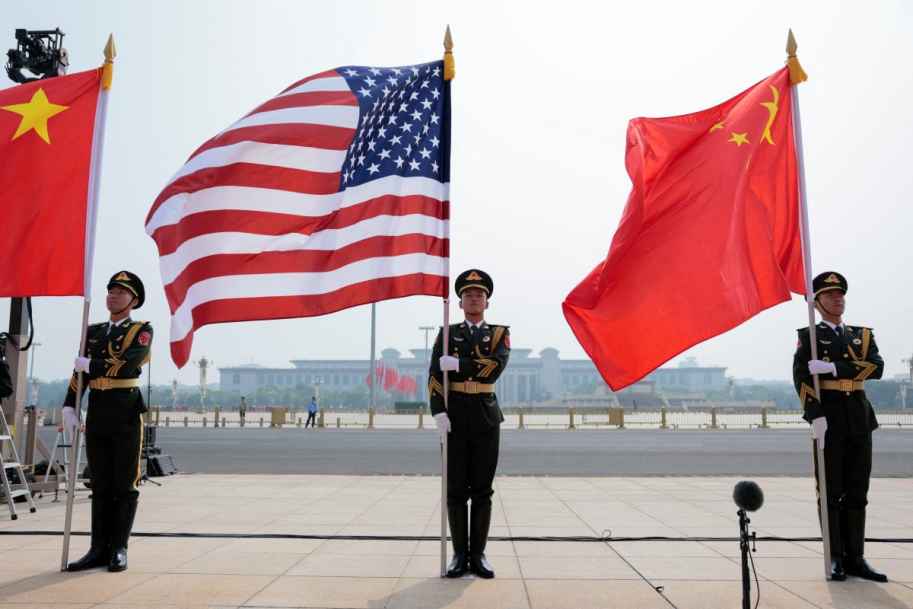
The concept of a G-2 world order has been gaining traction in recent years, with many experts acknowledging that the United States and China are the two dominant players on the global stage. This reality is rooted in the understanding that these two nations cannot dominate or exclude each other, as their economies and political systems are deeply intertwined.
The interconnectedness of the US and Chinese economies is a key factor in this dynamic. China is one of the largest trading partners of the US, and American companies have significant investments in China. Similarly, Chinese companies have made substantial investments in the US, and the two nations have a complex web of trade agreements and diplomatic relationships. This level of economic interdependence makes it difficult for either country to exert dominance over the other.
Furthermore, the global influence of the US and China extends beyond economics. Both nations have significant military capabilities and play important roles in international organizations such as the United Nations. They also have competing interests in regions such as the South China Sea and the Middle East, which can lead to tensions and conflicts. However, despite these tensions, the two nations have a shared interest in maintaining global stability and preventing the rise of other potential threats.
The G-2 reality also has significant implications for other nations and international organizations. As the US and China navigate their complex relationship, other countries must carefully consider their own alliances and partnerships. Some nations may seek to strengthen their ties with one or both of the dominant powers, while others may attempt to maintain a more neutral stance. International organizations, such as the European Union and the Association of Southeast Asian Nations, must also adapt to the evolving dynamics of the G-2 world order.
In conclusion, the G-2 reality is a complex and multifaceted phenomenon that reflects the deep interconnections between the US and China. As these two nations continue to shape global politics and economies, it is essential to understand the implications of their relationship and the ways in which it will influence the world in the years to come. The future of international relations will likely be characterized by a delicate balance of power between the US and China, with other nations and organizations playing important supporting roles.