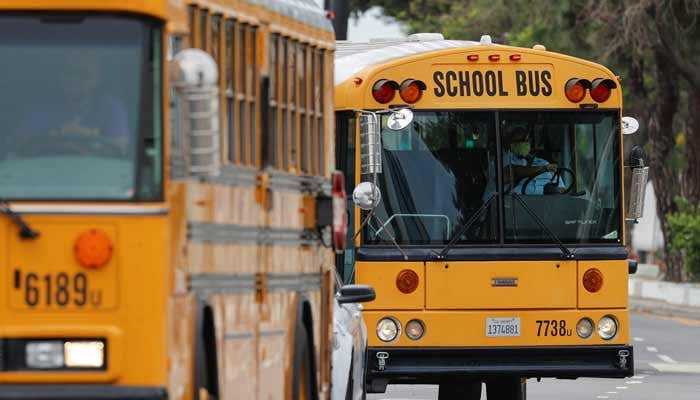
Rising diesel prices due to Iran tensions strain school budgets, prompting bus drivers in LA to protest inadequate funding.
Rising diesel costs stemming from the conflict between Iran and Western powers are placing significant financial strains on US school districts. This issue has become particularly acute as many schools have shifted to distance learning models to mitigate the spread of COVID-19.
School bus drivers in Los Angeles, frustrated by insufficient government support for fuel subsidies, recently organized a protest march through downtown areas. They argue that rising diesel prices are making it increasingly difficult for them to operate their vehicles and transport students safely.
The financial burden is not limited to just transportation costs. Schools across the country have had to allocate more funds towards purchasing additional equipment such as laptops and internet access to support remote learning. This has led to budget cuts in other areas, including arts programs, physical education classes, and extracurricular activities.
According to a recent report by the National Center for Education Statistics (NCES), school districts are facing unprecedented challenges due to these combined expenses. The cost of fuel alone can account for up to 20% of a district's operating budget in some cases. This has forced administrators to make tough decisions about how to allocate limited resources.
Moreover, the situation is exacerbating existing inequalities within schools. Wealthier communities with their own transportation infrastructure and funding are better equipped to handle these financial pressures compared to underfunded urban districts that rely heavily on public buses for student transport.
As the conflict in Iran continues, it remains unclear when or if fuel prices will stabilize. This uncertainty poses a long-term threat to school budgets and educational equity across the nation. Many educators fear that without substantial government intervention, these financial strains could lead to further cuts in essential services provided by schools.
The protest march organized by Los Angeles bus drivers serves as a stark reminder of the broader systemic issues affecting public education funding in the United States. As the country grapples with how best to support its students during this challenging time, addressing the root causes of rising fuel costs will be crucial for ensuring that all children have access to quality learning opportunities regardless of their socioeconomic background.