Iran's Foreign Minister Abbas Araqchi says mediation by Pakistan is not failing, despite recent setbacks. Talks remain stalled due to contradictory messages from both sides.
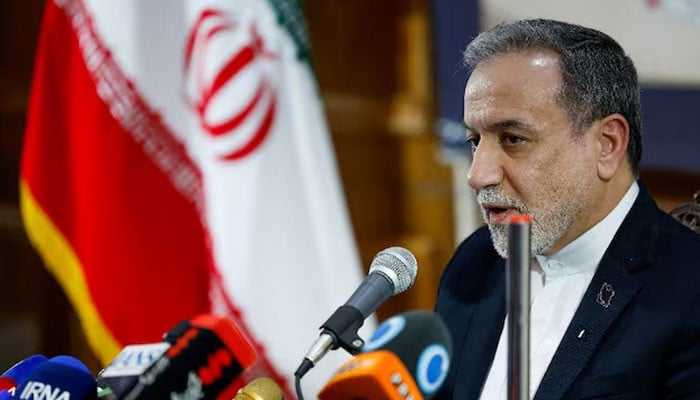
Iran's Foreign Minister Abbas Araqchi expressed optimism about the ongoing mediation efforts between the United States and Iran, stating that while progress has been slow, the process itself has not failed. Speaking at a press conference in New Delhi on Friday, Araqchi emphasized that the situation around the critical Strait of Hormuz remains "very complicated."
Araqchi highlighted that Iran had effectively closed the strait to most shipping traffic since its conflict with the US and Israel began in February. The strait is a vital maritime route for global oil and gas supplies, handling about one-fifth of the world's oil and gas shipments before the crisis erupted.
The minister while talks mediated by Pakistan have been suspended due to both sides rejecting each other’s latest proposals last week, he remained hopeful that diplomacy could still succeed. "Contradictory messages" from Washington have made it difficult for Iran to trust American intentions in negotiations, Araqchi said. However, he maintained that the mediation process has not failed but is currently facing challenges.
Araqchi also welcomed China's role as a mediator and expressed his country’s strategic partnership with Beijing. He if negotiations progress, Tehran aims to normalize traffic through Hormuz Strait. "Vessels can pass through the strait except those at war with Iran," Araqchi informed reporters, adding that any vessel wishing to transit should coordinate with its navy.
Despite the current difficulties, Araqchi expressed Iran's readiness for dialogue and cooperation. He reiterated that Tehran is open to support from other countries, including China, in resolving regional conflicts. "We are trying to keep the ceasefire to give diplomacy a chance but are also prepared to go back to fighting if necessary," he said.
The key sticking points in negotiations between Iran and the US include concerns over Iran's nuclear program and its control of Hormuz Strait. Araqchi stressed that while Iran is committed to maintaining the ceasefire, it remains vigilant about ensuring peace and stability in the Middle East region.
In a separate development, U.S. President Donald Trump expressed his frustration with Iran’s stance during talks with Chinese President Xi Jinping. Trump indicated that patience was running out, suggesting that Tehran must reopen Hormuz Strait for international shipping. This statement underscores the ongoing challenges in achieving a lasting resolution to the conflict between the two nations.