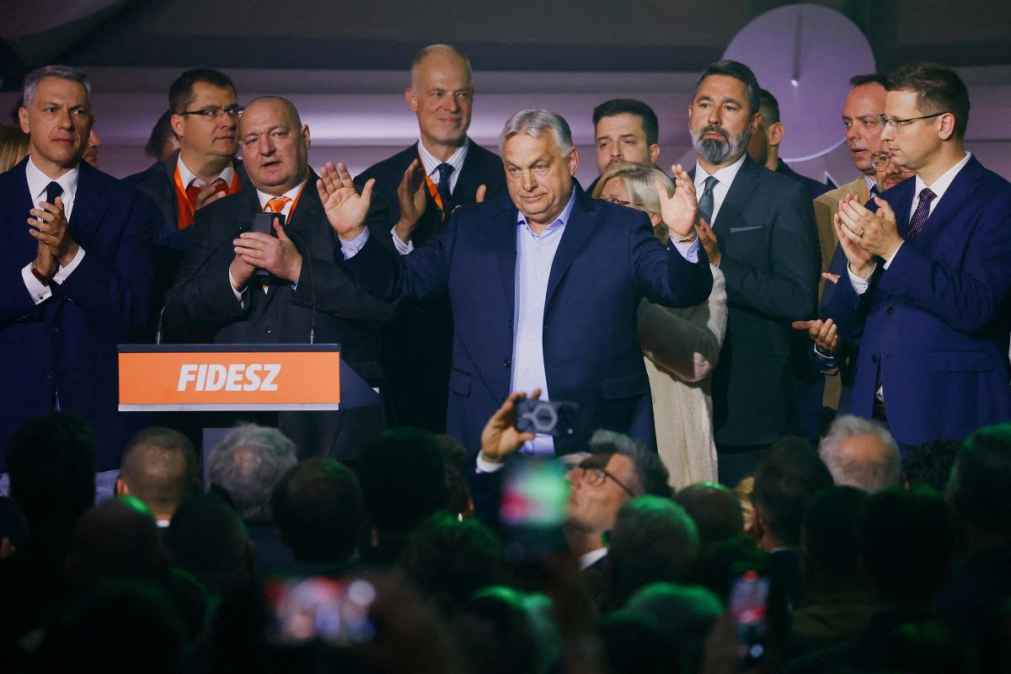
In the wake of Viktor Orban's political decline, European Union leaders are rallying around more liberal governance models. This shift marks a significant turning point in the continent’s political landscape, with many nations embracing democratic reforms and closer cooperation among member states.
The Hungarian Prime Minister's controversial anti-immigrant stance and his efforts to undermine EU institutions have led to widespread condemnation across Europe. As Orban's influence wanes, countries like Germany, France, and Italy are increasingly prioritizing economic growth, social cohesion, and environmental sustainability over nationalist rhetoric.
This new consensus is not without its challenges. Some European leaders still grapple with the lingering effects of the 2008 financial crisis and the refugee crisis that followed. However, there is a growing recognition among EU member states that unity and cooperation are essential for addressing these pressing issues effectively.
Moreover, younger generations in Europe are increasingly calling for more progressive policies and greater emphasis on social justice. This shift in public opinion has put pressure on older political elites to adapt their agendas and align with the values of European citizens.
As Orban's influence diminishes, many believe that a brighter future is within reach for the EU. With stronger economic ties, shared responsibilities, and a commitment to democratic principles, Europe stands poised to overcome its recent challenges and emerge as a more united and prosperous continent.