Japan has reached a critical juncture in its security strategy, marking a significant shift in its approach to regional and global affairs. The country's recent commitment to bolstering its defense capabilities has sparked intense debate about the potential consequences of this move, particularly in relation to its long-standing alliance with the United States. As Tokyo takes a more proactive stance on security, there are growing concerns that Washington may squander this opportunity, potentially jeopardizing the future of their partnership.
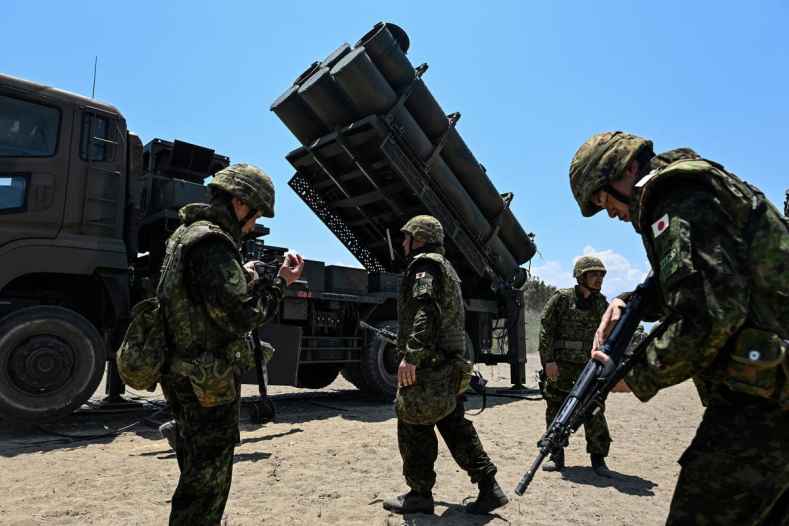
The implications of Japan's new security commitment are far-reaching, with experts warning that a failure by Washington to respond adequately could have severe repercussions for the region. Japan's decision to increase its defense spending and expand its military capabilities is seen as a direct response to the growing threats posed by China and North Korea. However, this move also presents a challenge for the United States, which must now decide how to navigate this new landscape and ensure that its own interests are protected.
As the situation continues to unfold, analysts are closely watching the response from Washington, with many expressing concerns that the United States may not be fully prepared to capitalize on Japan's newfound commitment to security. The potential consequences of inaction or missteps by the United States could be severe, potentially undermining the trust and cooperation that have long characterized the alliance between the two nations. With the stakes higher than ever, it remains to be seen whether Washington will rise to the challenge and work to strengthen its partnership with Tokyo, or if it will squander this opportunity and risk destabilizing the region.
The future of the Japan-US alliance hangs in the balance, as both countries navigate this critical period in their relationship. While Japan's new security commitment presents a range of challenges, it also offers a unique opportunity for the United States to reaffirm its commitment to the region and to its long-standing partner. As the world watches with bated breath, one thing is clear: the decisions made in the coming months will have a profound impact on the future of regional security and the trajectory of the Japan-US alliance. With the clock ticking, it is imperative that Washington takes a proactive and nuanced approach to addressing the implications of Japan's new security commitment, lest it risk squandering a critical opportunity to shape the future of the region.