Israel and Lebanon agree to extend ceasefire by 45 days after US-brokered talks in Washington, aiming to reduce tensions and promote regional stability in the Middle East.
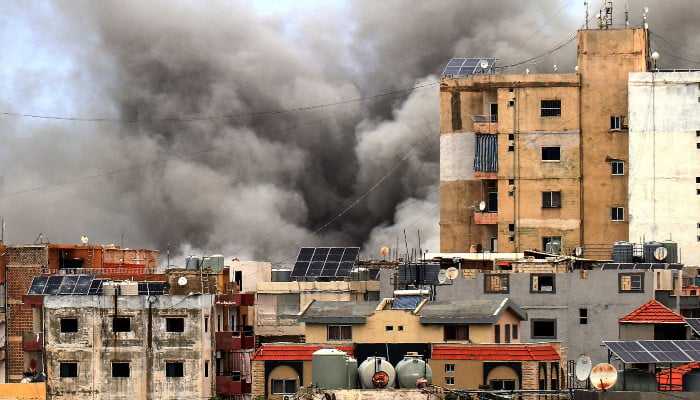
The recent extension of the ceasefire between Israel and Lebanon by 45 days marks a significant development in the efforts to reduce tensions in the region. This move follows US-brokered talks in Washington, which were attended by Lebanese officials despite objections from Hezbollah. The talks aimed to address the ongoing conflict and find a lasting solution to the disputes between the two nations.
One of the key issues on the table during the talks was Israel's demand for the disarmament of Hezbollah, a militant group based in Lebanon. Israel has long considered Hezbollah a significant threat to its security, and the group's arsenal of rockets and missiles has been a major point of contention. The Lebanese government, on the other hand, has struggled to assert its authority over the group, which has significant influence in the country.
The extension of the ceasefire is seen as a positive step towards reducing tensions in the region. The previous ceasefire had been fragile, with both sides accusing each other of violating the agreement. The new extension provides a window of opportunity for the parties to engage in further talks and work towards a more lasting solution. The US-brokered talks in Washington played a crucial role in facilitating the extension, and the international community will be watching closely to see if the ceasefire holds.
The situation in the region remains complex, with multiple players and interests at stake. The US has been actively engaged in efforts to promote stability in the Middle East, and the talks in Washington are part of a broader initiative to address the region's conflicts. As the ceasefire extension takes hold, attention will turn to the next steps in the process, including the possibility of further talks and negotiations between Israel and Lebanon. The international community will be hoping that the ceasefire extension marks the beginning of a more sustainable and lasting peace in the region.
The role of the US in brokering the ceasefire extension has been significant, and the talks in Washington demonstrate the country's commitment to promoting stability in the Middle East. The US has long been a key player in the region, and its involvement in the talks has helped to facilitate a degree of cooperation between Israel and Lebanon. As the situation continues to evolve, the US is likely to remain a key actor, working to promote a lasting solution to the conflict and reduce tensions in the region.