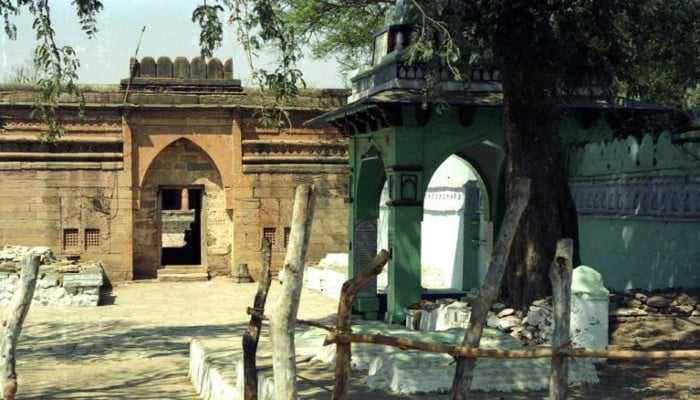
A Indian court has ruled that the historic Bhojshala mosque site in Madhya Pradesh is a temple, ending a two-decade worship arrangement and sparking controversy among Muslims who plan to challenge the decision in the Supreme Court.
The Indian court's decision to declare the historic Bhojshala mosque site in Dhar, Madhya Pradesh, as a temple has sparked widespread controversy and criticism. The ruling brings an end to a two-decade arrangement that allowed Muslims to offer Friday prayers at the site. The complex, which has been a subject of dispute between Hindus and Muslims, will no longer be accessible to Muslims for their weekly congregational prayers.
The Muslim side has announced plans to challenge the court's decision in the Supreme Court, citing concerns over the potential implications of the ruling. Critics have warned of a grave threat to the delicate balance of religious harmony in the region, and the potential for the decision to be used as a precedent in other similar disputes. The Bhojshala complex has been a contentious issue for many years, with both Hindus and Muslims claiming ownership and the right to worship at the site.
The court's decision has been met with disappointment and frustration from the Muslim community, who argue that the ruling is unfair and ignores their rights to worship at the site. The ending of the two-decade worship arrangement has also raised concerns about the potential for increased tensions between Hindus and Muslims in the region. As the Muslim side prepares to challenge the decision in the Supreme Court, the controversy surrounding the Bhojshala mosque site is likely to continue for some time.
The Bhojshala complex has a rich and complex history, with both Hindu and Muslim influences evident in its architecture and design. The site has been the subject of numerous disputes and controversies over the years, with both communities claiming a deep connection to the site. As the controversy surrounding the court's decision continues to unfold, it remains to be seen how the situation will be resolved and what implications the ruling will have for religious harmony in the region. The Supreme Court challenge is likely to be a significant test of the Indian legal system's ability to balance competing religious interests and protect the rights of all citizens.