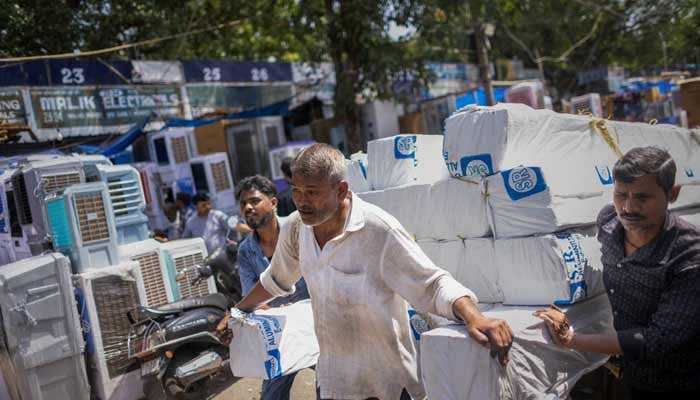
Some parts of India are grappling with power cuts as record-breaking heat has pushed electricity demand to an all-time high in excess of 270 gigawatts, spurring a critical situation for the country's energy infrastructure. The soaring temperatures have not only disrupted daily life but also strained the nation’s power grid.
Experts warn that the current crisis is exacerbated by inadequate planning and insufficient investment in renewable energy sources. Despite recent efforts to diversify energy sources, India still heavily relies on coal-fired plants which are prone to operational disruptions during extreme weather conditions.
In New Delhi, where temperatures have reached record highs, residents are experiencing frequent power outages lasting several hours each day. The heatwave has forced factories and businesses to reduce operations or shut down entirely, leading to economic losses and inconvenience for millions of people.
To address the issue, authorities have implemented temporary measures such as rationing electricity usage during peak hours and encouraging citizens to conserve energy by turning off non-essential appliances. However, these solutions are only short-term fixes and do not alleviate the underlying problem.
The situation underscores the urgent need for India to invest in modernizing its power sector and diversifying its energy mix. By increasing reliance on renewable sources like solar and wind power, the country can better withstand future heatwaves and other extreme weather events that threaten its critical infrastructure.
As temperatures continue to soar, it remains to be seen whether these measures will prove sufficient to prevent further widespread blackouts and ensure reliable electricity supply for all Indians.