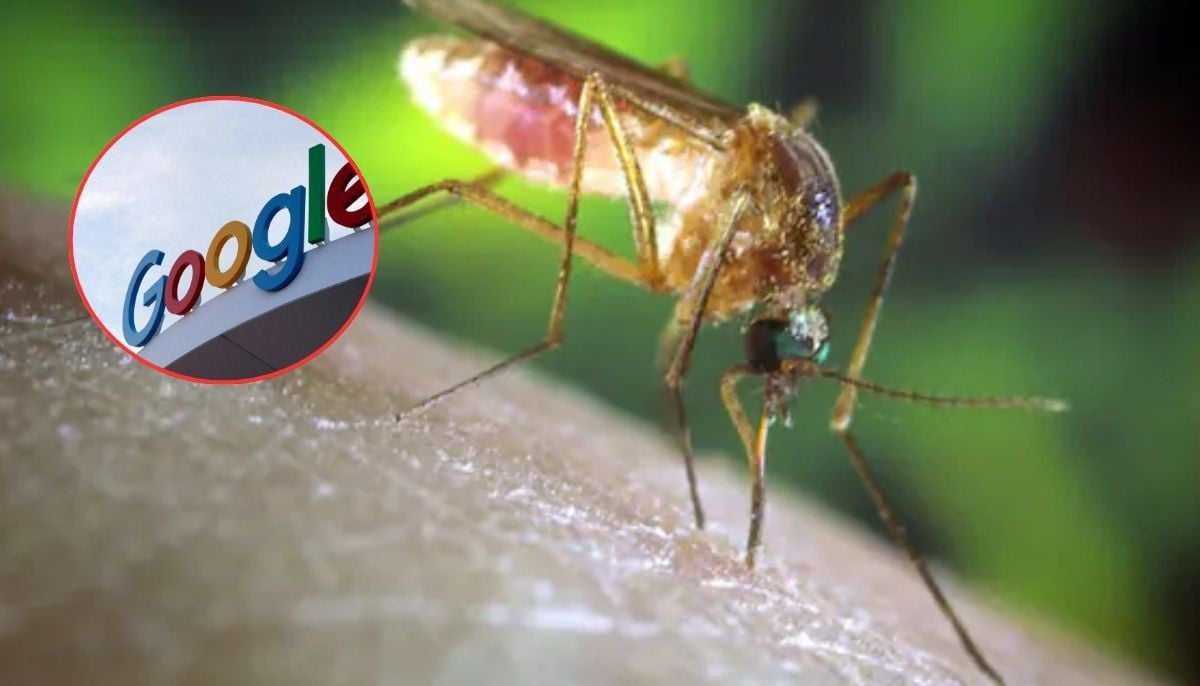
Google's Debug program aims to reduce mosquito populations by releasing genetically modified mosquitoes, but critics raise concerns about potential environmental impacts and effectiveness.
Google is set to release approximately 32 million mosquitoes in California and Florida as part of its innovative "Debug" program. The primary objective of this project is to "stop bad bugs with good bugs" by introducing genetically modified mosquitoes that can help reduce the population of disease-carrying mosquitoes. This approach is designed to combat the spread of diseases such as Zika, dengue fever, and yellow fever, which are commonly transmitted by mosquitoes.
The Debug program involves releasing male mosquitoes that have been genetically modified to produce offspring that die before reaching adulthood, thereby reducing the overall mosquito population over time. This method is considered a more targeted and environmentally friendly approach compared to traditional pest control methods, which often involve the use of pesticides that can harm beneficial insects and contaminate water sources.
However, critics have raised concerns about the potential environmental impacts of releasing such a large number of genetically modified mosquitoes into the wild. Some experts argue that the long-term effects of this approach are not yet fully understood and that it could potentially disrupt the ecosystem. Additionally, there are concerns about the possibility of unintended consequences, such as the development of pesticide-resistant mosquito populations or the impact on other species that rely on mosquitoes as a food source.
Despite these concerns, Google's Debug program has been approved by regulatory authorities, and the company is moving forward with the release of the genetically modified mosquitoes in California and Florida. The success of this program could have significant implications for the control of mosquito-borne diseases, and it will be closely monitored by scientists and health experts. As the release of the mosquitoes is set to begin, critics and supporters alike will be watching to see whether this innovative approach will prove to be an effective solution to the problem of mosquito-borne diseases.
The use of genetically modified mosquitoes as a means of controlling disease-carrying insect populations is a complex issue that raises important questions about the balance between public health and environmental protection. While the potential benefits of this approach are significant, it is crucial to carefully consider the potential risks and unintended consequences to ensure that the release of genetically modified mosquitoes does not have adverse effects on the environment or human health. As the Debug program moves forward, it will be essential to continue monitoring its progress and assessing its effectiveness in reducing mosquito populations and preventing the spread of diseases.