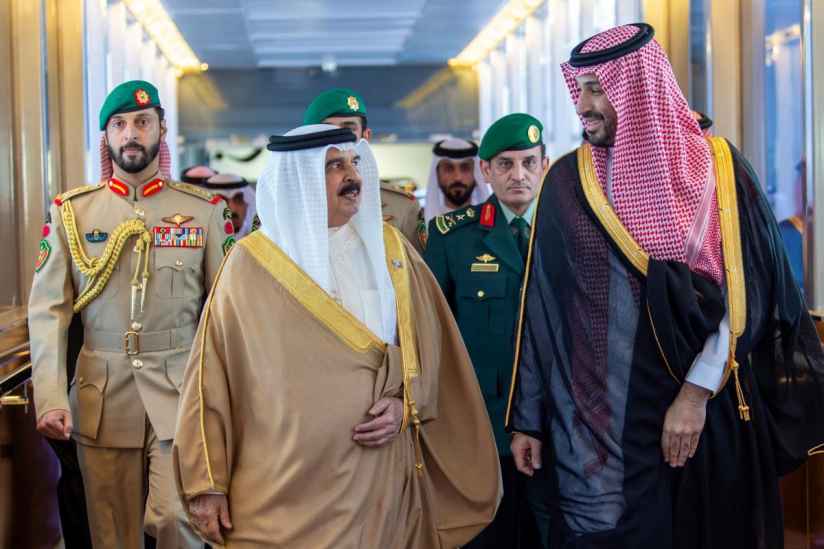
In a pivotal shift towards self-reliance, regional leaders are urging the Gulf states to develop their own robust defense mechanisms instead of solely depending on foreign powers for security. This new approach aims to enhance sovereignty and reduce vulnerabilities that have historically been exploited by external actors.
The call comes as tensions rise in the region, with ongoing conflicts and geopolitical maneuvers threatening stability. By fostering internal resilience, countries like Saudi Arabia, United Arab Emirates (UAE), Qatar, Bahrain, and Kuwait hope to mitigate risks associated with reliance on outside forces for military support.
Experts argue that this transition is crucial for long-term security. It not only bolsters national capabilities but also strengthens the resolve of Gulf nations in standing up against external pressures and interventions. By investing in advanced technologies, training their own troops, and developing comprehensive defense strategies, these states can better protect themselves from potential threats.
Moreover, building an independent security framework allows Gulf countries to maintain consistency in foreign policy decisions without being influenced by international alliances or changing global dynamics. This autonomy is particularly important given the complex geopolitical landscape that includes both regional rivalries and external powers with vested interests in the region's affairs.
As a result of these efforts, there are growing signs of progress. For instance, Saudi Arabia has been investing heavily in its military capabilities, including developing advanced fighter jets and missile systems. Similarly, the UAE is enhancing its naval fleet and cyber defense infrastructure to bolster its security posture.
However, achieving this new order will require sustained commitment from regional leaders and substantial financial resources. It also necessitates addressing internal challenges such as corruption, inefficient governance, and economic disparities that can undermine national unity and cohesion.
Ultimately, by prioritizing self-reliance in security matters, the Gulf region is positioning itself for a more secure future where it can navigate complex international relationships with greater confidence and independence.