President Trump has signed an updated AI executive order, focusing on voluntary pre-release government reviews rather than mandatory ones amid industry pushback.
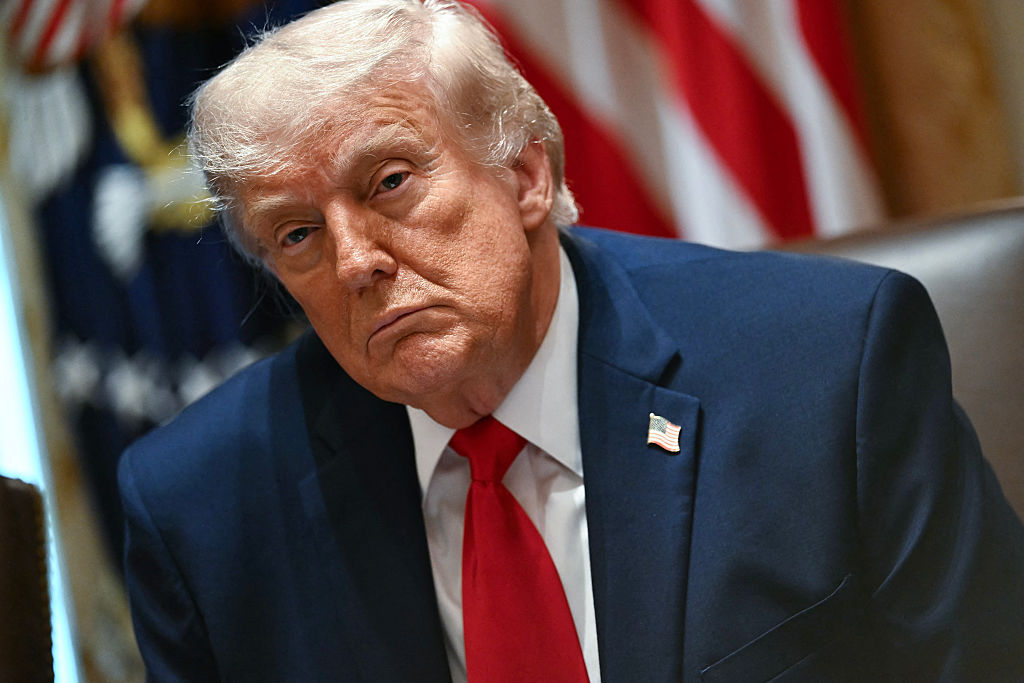
President Donald Trump has signed a revised executive order on artificial intelligence (AI) oversight that now mandates only voluntary prerelease government reviews of advanced models. This change came after significant objections from the tech industry, which had previously advocated for more stringent and mandatory regulations.
The original executive order aimed to establish stricter guidelines for AI development within federal agencies. However, concerns over potential economic impacts and regulatory burdens led to substantial revisions. The new order seeks a balanced approach by incorporating voluntary reviews, allowing government agencies to assess advanced AI models before their public release but without imposing mandatory compliance.
Industry leaders welcomed the change, citing the need for flexibility in a rapidly evolving technological landscape. They emphasized that voluntary measures would enable companies to innovate freely while still ensuring necessary oversight and transparency. Critics of the original order feared it could stifle innovation and impose unnecessary regulatory costs on businesses.
The revised executive order reflects a compromise between government oversight needs and industry demands, aiming to foster collaboration and trust in AI development. By adopting a more flexible approach, the administration hopes to maintain robust scrutiny while supporting continued technological advancement.
This shift in strategy underscores the ongoing debate over how best to regulate emerging technologies like AI. As the tech sector continues to grow, finding the right balance between regulation and innovation remains a critical challenge for policymakers.