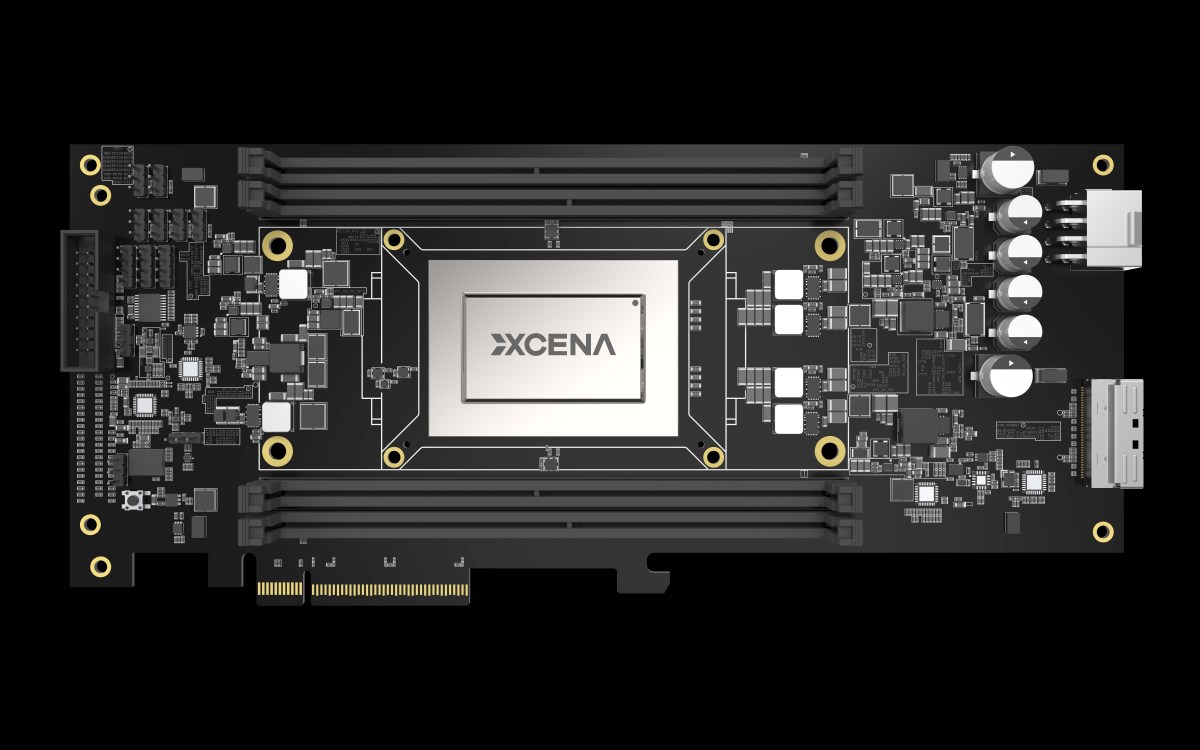
South Korea-based Xcena secures significant funding to address the emerging challenge in artificial intelligence—memory limitations rather than computational power.
South Korean chip startup Xcena has recently secured a substantial $135 million investment, signaling its potential as a leader in addressing one of the most pressing challenges facing artificial intelligence (AI): memory limitations. Unlike many other startups that focus on enhancing compute capabilities, Xcena is taking a unique approach by targeting the bottleneck in AI technology—memory.
The company’s innovative strategy centers around developing advanced memory solutions that can significantly improve data processing and storage efficiency for AI applications. This shift towards optimizing memory performance could revolutionize how AI systems operate, making them more efficient and capable of handling larger datasets with reduced latency.
With this substantial funding, Xcena aims to accelerate its research and development efforts in cutting-edge memory technologies. The investment will enable the company to expand its team, enhance its product offerings, and explore new markets where memory optimization could be crucial for AI deployment. By focusing on this aspect of AI infrastructure, Xcena is positioning itself as a key player in the evolving landscape of AI technology.
The significance of this approach cannot be overstated. As AI applications continue to grow in complexity and scale, the traditional emphasis on compute power alone has become increasingly inadequate. Memory limitations can severely impact the performance and scalability of AI models, leading to slower processing times and higher costs. By addressing these issues head-on, Xcena could potentially unlock new possibilities for AI integration across various industries.
In conclusion, Xcena’s focus on memory optimization represents a strategic shift in the AI industry, one that could redefine how we approach data storage and processing. As the company moves forward with its ambitious goals, it will be crucial to watch how these advancements impact the broader landscape of AI technology and applications.