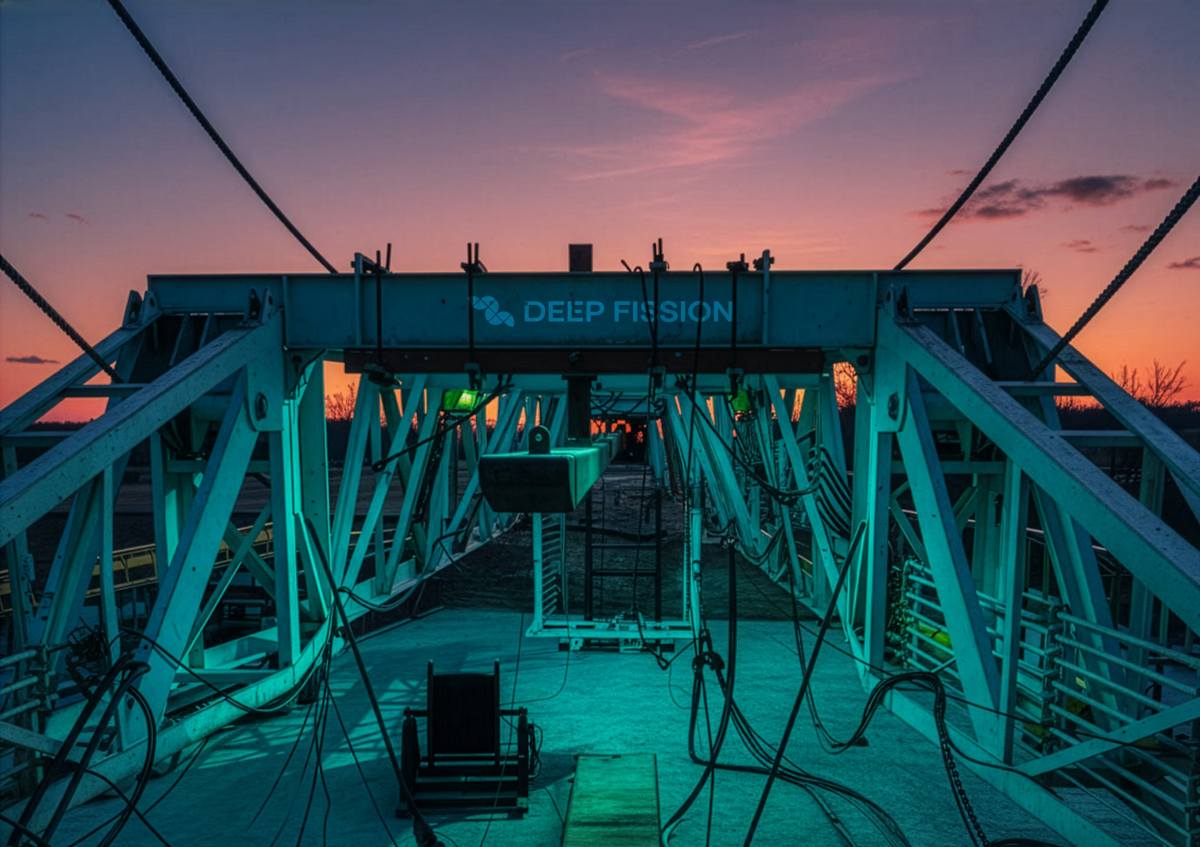
Deep Fission, a promising nuclear technology company, is set to embark on an initial public offering (IPO) that could raise up to $157 million. However, the prospect of this significant financial move has already sparked concerns among some investors who may find it challenging to fully embrace the startup's narrative.
The story behind Deep Fission is one of innovation and potential game-changing advancements in nuclear energy production. The company has developed a novel approach that promises to make nuclear power more accessible and environmentally friendly compared to traditional methods. This technology could potentially revolutionize how electricity is generated, offering a cleaner alternative to fossil fuels while maintaining the reliability and efficiency that many industries require.
Despite these promising aspects, there are valid reasons for investors' skepticism. One major concern revolves around the high-risk nature of nuclear energy projects. The sector has historically been fraught with challenges and setbacks, including safety issues and regulatory hurdles. Deep Fission will need to demonstrate a robust track record and successful implementation of its technology before potential backers can fully trust in its viability.
Moreover, the market for new nuclear technologies is highly competitive. Numerous other companies are also working on innovative solutions that could potentially disrupt the industry. Investors might be hesitant to commit significant capital to one startup when there are so many others vying for attention and investment dollars.
Another factor contributing to investor skepticism is the current economic climate. The global economy has faced numerous challenges in recent years, including supply chain disruptions and inflationary pressures. These conditions could make it more difficult for Deep Fission to secure financing at a time when traditional sources of capital might be more cautious or selective.
As Deep Fission prepares for its IPO, it will need to address these concerns head-on. The company must provide clear evidence of its technological advancements, financial projections, and risk management strategies. By doing so, it may be able to build the confidence needed to attract a diverse range of investors who are willing to support this ambitious endeavor.
Ultimately, whether Deep Fission succeeds in its public offering remains to be seen. If successful, it could pave the way for other nuclear startups to follow suit and contribute to the broader push towards sustainable energy solutions. However, if the skepticism proves justified, it may highlight the ongoing challenges faced by innovators in a sector that has long struggled with both technological hurdles and market uncertainties.