Elon Musk's focus shifted from solar power to natural gas and orbital data centers, raising questions about his initial promise of a "solar-electric economy."
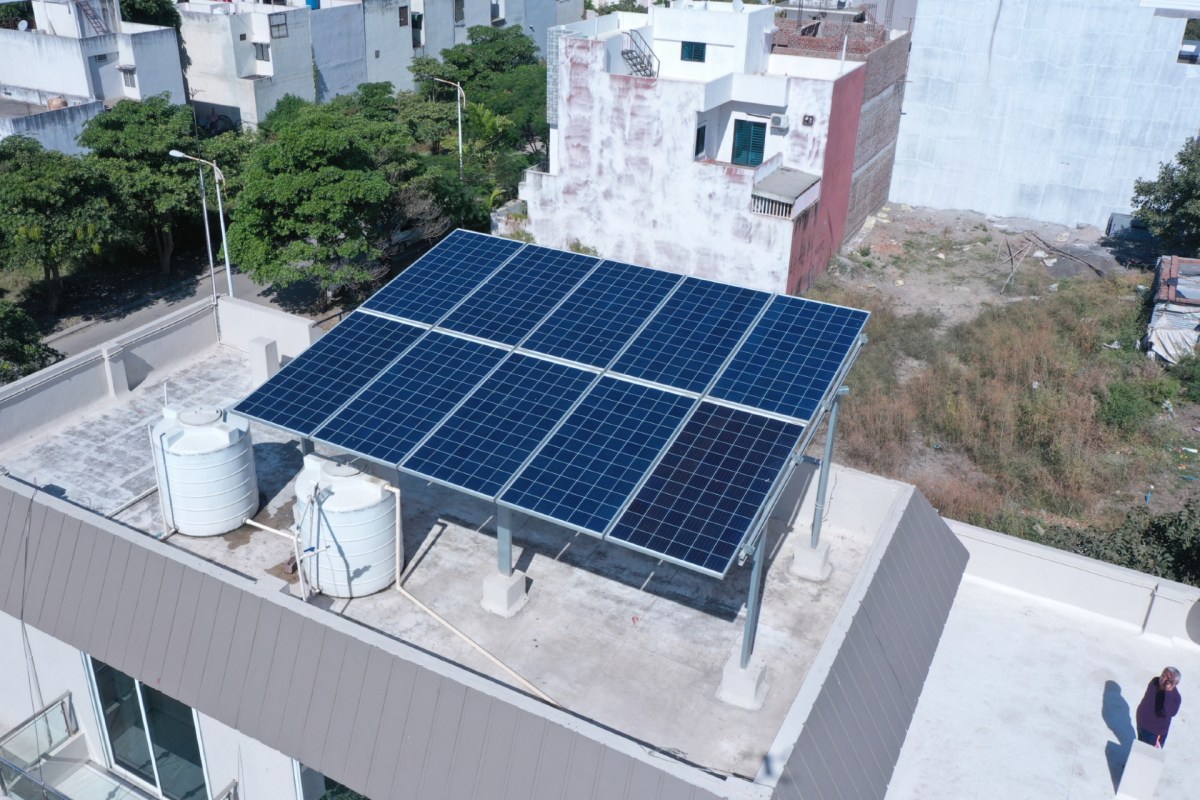
Elon Musk's recent strategic pivot towards natural gas and orbital data centers at SpaceX has raised eyebrows among those who had high hopes for the Tesla CEO's ambitious vision of a "solar-electric economy." In 2016, Musk unveiled plans to revolutionize energy production with solar power, aiming to create an entirely sustainable and renewable electricity system. However, it seems that his xAI (Artificial Intelligence) has taken a different path.
At SpaceX, Musk's team is now heavily invested in orbital data centers, which could potentially provide significant advancements in space technology and internet connectivity. This shift away from solar power appears to be driven by the company’s need for rapid energy solutions that can support its growing fleet of rockets and satellites. The transition highlights a broader trend within the tech industry towards more efficient and scalable energy sources.
Meanwhile, Tesla's focus on solar panels and battery storage has also evolved. While Musk remains committed to renewable energy, his efforts are now centered around improving existing technologies rather than developing entirely new ones. This change in direction suggests that while he may not have abandoned the goal of a sustainable future, the path towards achieving it is evolving.
The implications of this shift are significant for both SpaceX and Tesla. For SpaceX, the move to natural gas could lead to more cost-effective operations, especially as they continue to develop reusable rocket technologies. For Tesla, it means that while their solar products remain important, the company may need to focus on enhancing battery technology and other aspects of renewable energy solutions.
Overall, Musk's decision to prioritize certain areas over others reflects the complex interplay between technological innovation and practical business needs. As both companies move forward, it will be interesting to see how these changes impact their long-term strategies and contributions to sustainable energy practices.