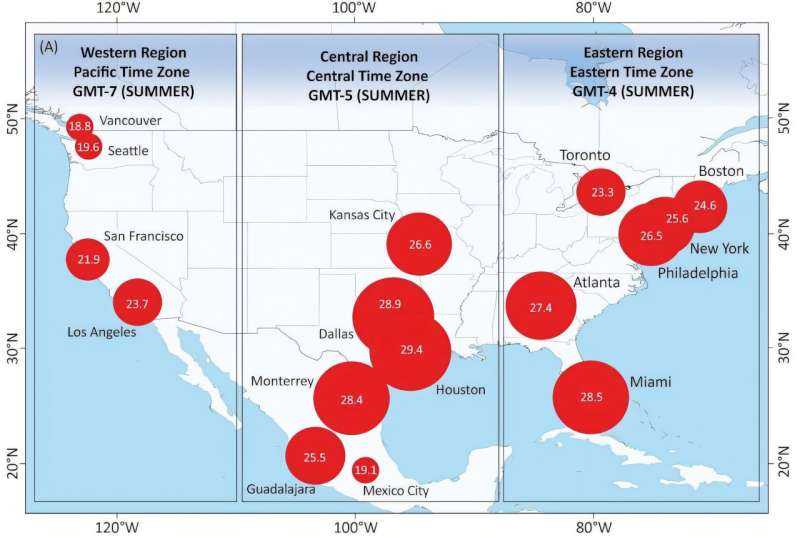
As the 2026 FIFA World Cup approaches, concerns over extreme heat pose a significant challenge for organizers in North America. Despite shifting kick-off times, new strategies are needed to ensure player safety and fan comfort.
The 2026 FIFA World Cup is set to be the largest edition of the world's most watched sporting event, with 48 teams competing across Canada, the United States, and Mexico. However, organizers face a formidable challenge: extreme heat that threatens both players' health and spectators' enjoyment. While moving games to evening times might offer some relief from midday sun, it is far from sufficient.
The World Health Organization (WHO) has warned about the dangers of high temperatures during sports events, particularly in regions with intense heat like parts of North America. The WHO recommends that measures beyond just changing kick-off times are necessary to protect players and fans. These include increased access to cooling facilities, hydration stations, and medical support.
Experts argue that evening games alone do not address the root causes of heat stress. As temperatures continue to rise due to climate change, the risk of heat-related illnesses increases. The International Olympic Committee (IOC) has already issued guidelines for managing extreme weather conditions at sporting events, but these need to be more robustly implemented in the context of the 2026 World Cup.
In addition to shifting game times, organizers must consider other strategies such as reducing the duration of games or matches, providing shaded areas and misting systems, and ensuring that venues are equipped with advanced cooling technologies. Fan zones should also have adequate shade and water stations to keep spectators cool and comfortable throughout the day.
The success of the 2026 World Cup will depend not only on how well teams perform but also on how effectively organizers can manage the extreme heat. The health and safety of players, officials, and fans must be prioritized above all else. By adopting a multi-faceted approach to tackle this issue, organizers can ensure that the 2026 FIFA World Cup remains an unforgettable experience for everyone involved.