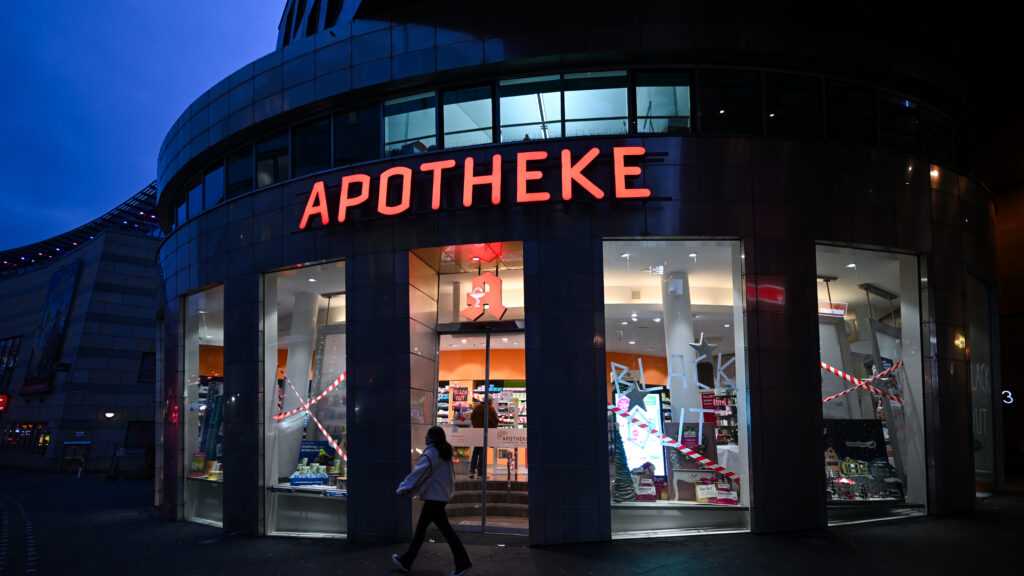
A recent breakfast meeting between U.S. Trade Representative Jamieson Greer, chief health department adviser Chris Klomp, and German Ambassador Jens Hanefeld revealed an unusual dynamic in international relations. The gathering was part of a broader strategy by the Trump administration to encourage other countries to pay higher prices for medications, given that the United States pays less.
According to a person familiar with the meeting, the U.S. officials discussed leveraging Section 301 tariffs - a provision under which the government can combat trade practices deemed unfair - to pressure Germany into paying more for pharmaceuticals. This tactic mirrors past efforts where threats of new tariffs were used to influence other countries' drug pricing policies.
The ambassador agreed to review the matter with German officials but no agreement was reached during this initial meeting, according to the source. The U.S. approach is part of a larger push by the Trump administration to renegotiate trade agreements and assert its position on global health spending priorities.
This move highlights the ongoing tension between the United States and other nations over pharmaceutical pricing, an issue that has been a point of contention in international relations for years. It also underscores how domestic policy decisions can have far-reaching impacts beyond U.S. borders.
The STAT+ exclusive story is available to subscribers who wish to delve deeper into this complex issue. For more updates on health and politics, consider subscribing to STAT+.