Pakistan and China have signed ten pharmaceutical Memorandums of Understanding (MoUs) totaling over Rs10 billion in investments. Mettis Global reports.
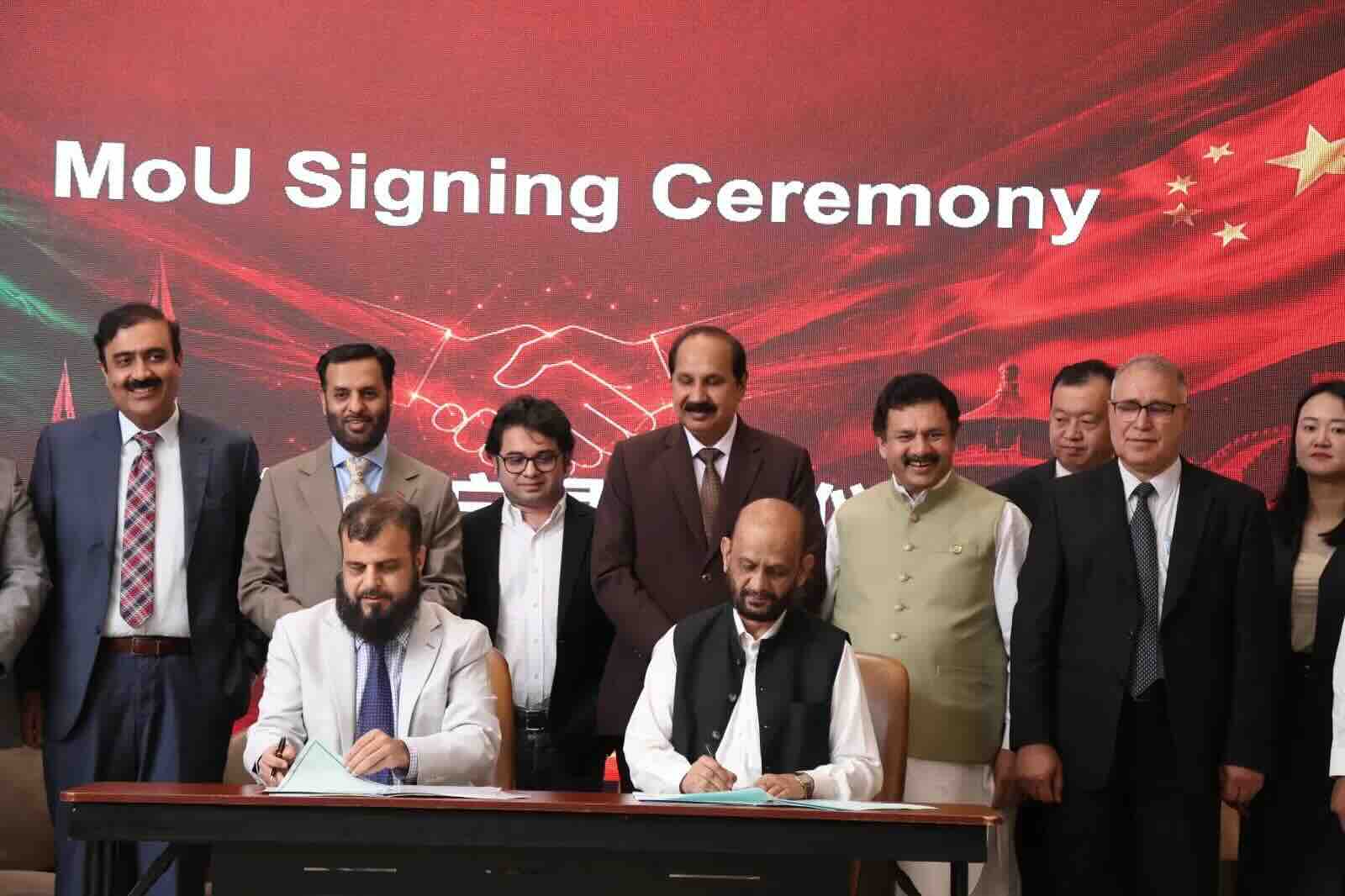
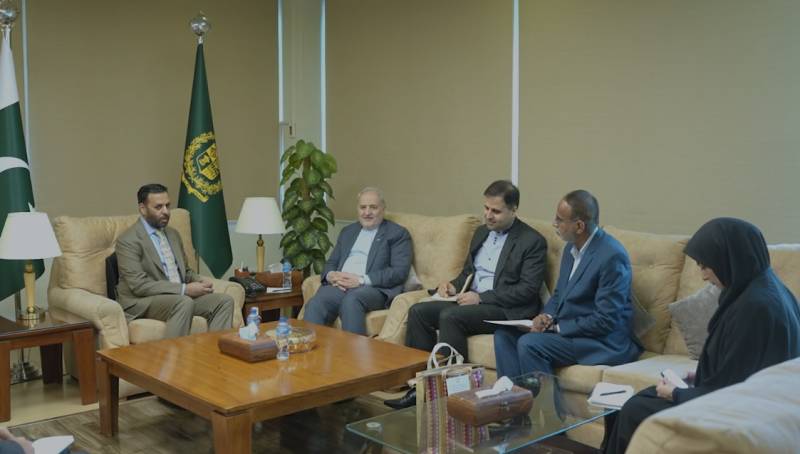
Pakistan and China have recently inked ten Pharmaceutical Memorandums of Understanding (MoUs), marking a significant step towards strengthening bilateral cooperation in the healthcare sector. The agreements, which were signed at a high-level diplomatic event held in Beijing, are expected to facilitate substantial investment worth over Rs10 billion into Pakistan's pharmaceutical industry.
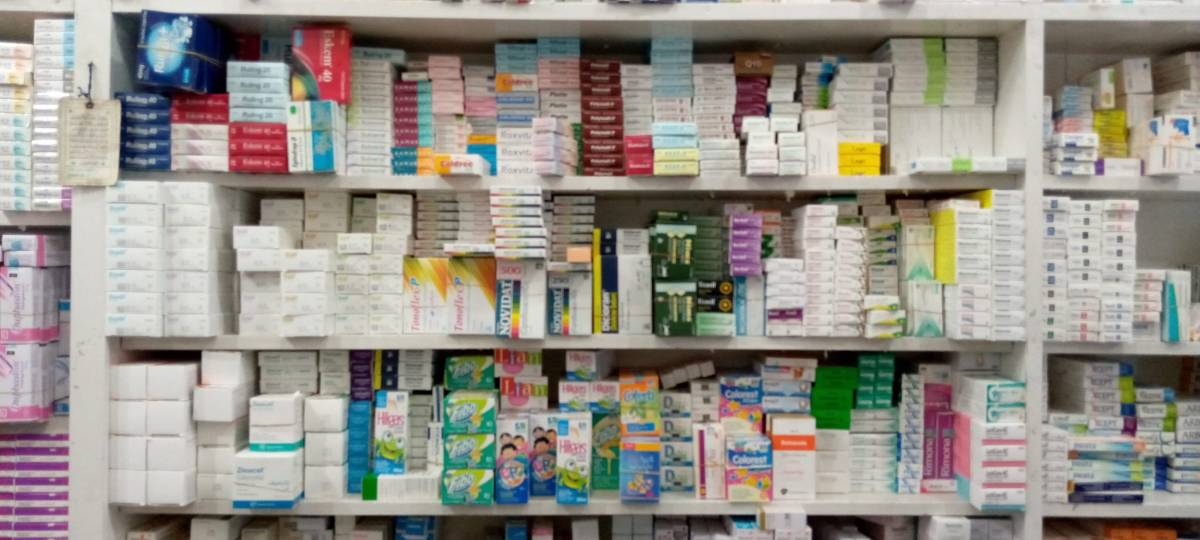
These MoUs cover various aspects including research and development, manufacturing, distribution, and marketing of drugs and medical products. They aim to leverage China’s advanced pharmaceutical technologies and expertise to enhance the quality and competitiveness of Pakistani pharma companies in both domestic and international markets.
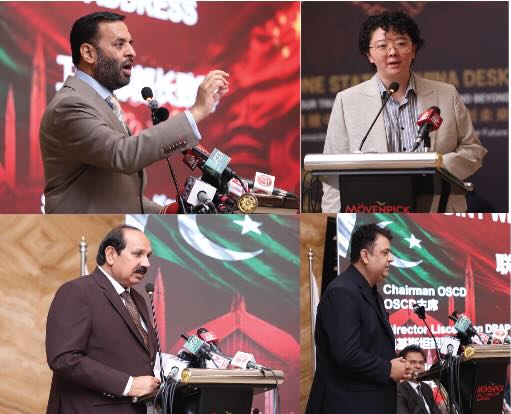
The signing ceremony was attended by senior officials from both countries, highlighting the strategic importance placed on this sector. The MoUs are expected to create numerous job opportunities for Pakistanis while also contributing to the country's economic growth through increased exports and foreign direct investment (FDI).
Dr. Muhammad Farooq Mettis, CEO of Mettis Global, commented on the significance of these agreements, stating, "This partnership between Pakistan and China is not just about investments; it represents a transformative alliance that will drive innovation in healthcare solutions for millions."
The pharmaceutical industry has been identified as one of the key sectors where both nations can collaborate to achieve mutual benefits. The MoUs are expected to pave the way for further joint ventures and collaborations, fostering an environment conducive to sustainable development.
As part of these agreements, Chinese companies have committed to investing heavily in Pakistan’s pharma sector over the next few years. This investment is anticipated to boost local manufacturing capabilities, enhance supply chain efficiency, and improve access to essential medicines across the country.
The MoUs also emphasize the importance of capacity building and knowledge transfer. Pakistani pharmaceutical firms will benefit from advanced training programs offered by their Chinese counterparts, enabling them to adopt best practices in quality control, production processes, and regulatory compliance.
In conclusion, these ten Memorandums of Understanding represent a promising chapter in Pakistan-China relations, particularly within the healthcare domain. They underscore the collaborative potential between two nations committed to advancing global health standards through mutual cooperation and investment.
Dr. Farooq concluded by emphasizing that such partnerships are crucial for achieving long-term economic stability and improving public health outcomes in both countries.