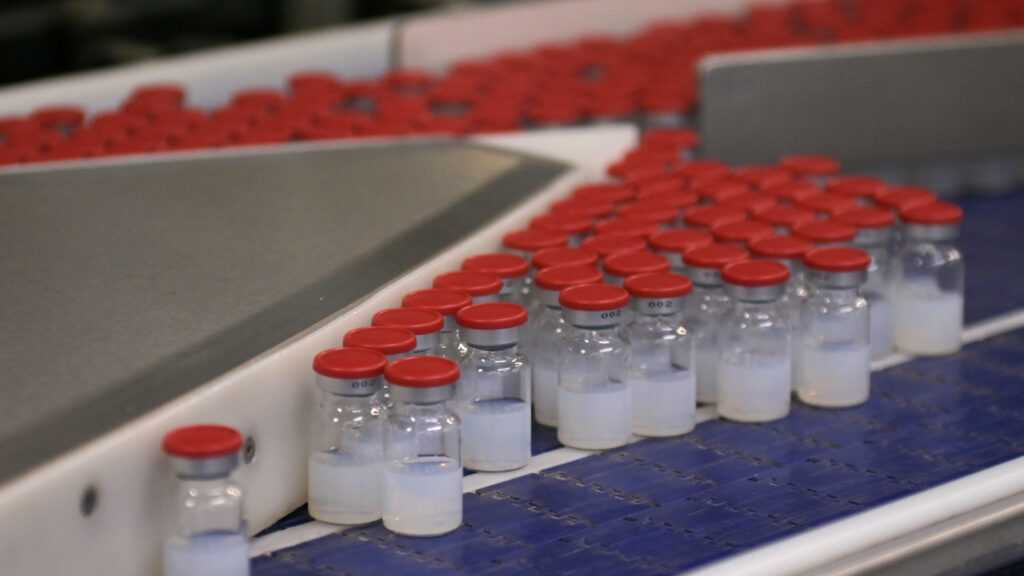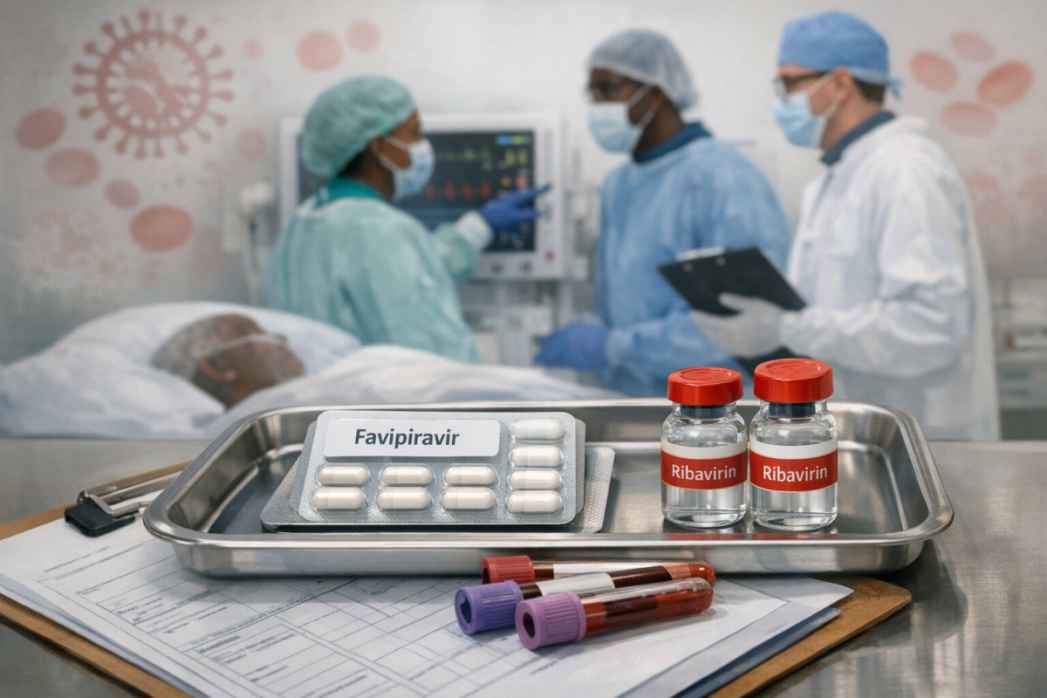
Researchers at the Bernhard Nocht Institute for Tropical Medicine and UKE have conducted a first randomized controlled drug trial evaluating favipiravir in treating Lassa fever, showing promise. Clinical trials show favipiravir is safe and well-tolerated compared to ribavirin.
Improving the treatment of Lassa fever: First clinical trial with favipiravir shows promising results by Julia Rauner, edited by Lisa Lock, reviewed by Robert Egan. The infectious disease Lassa fever can be fatal, and there is a lack of proven treatment options. Researchers at the Bernhard Nocht Institute for Tropical Medicine (BNITM) and the University Medical Center Hamburg-Eppendorf (UKE) have led the first randomized clinical trial with the new drug candidate favipiravir.
To carry out the study, the BNITM researchers collaborated with long-standing partners from Nigeria, France, and West Africa. Together with French and African colleagues, they tested the antiviral candidate favipiravir at the Irrua Specialist Teaching Hospital (ISTH) and the Federal Medical Center Owo in Nigeria. These world-leading Lassa fever treatment centers are highly prevalent in the country.
Favipiravir is an antiviral agent originally developed to treat influenza. It inhibits viral replication in a wide range of RNA viruses, including the Lassa virus. Clinical trials involving healthy volunteers and patients with influenza, COVID-19, and Ebola have shown that the drug is safe and well tolerated.
Building on this, researchers at the BNITM and their collaborators conducted the clinical Phase II SAFARI trial. In this randomized controlled trial, they evaluated the safety and tolerability of favipiravir in Lassa fever patients compared with the standard therapy ribavirin, and measured the concentration of the antiviral drug in the patients' blood.
The international team included 41 patients with mild to moderate Lassa fever. The patients were randomly assigned to receive either ribavirin or favipiravir treatment. To assess safety and tolerability, researchers recorded so-called treatment-emergent adverse events. Among other things, anemia, nausea, and fever occurred during treatment with both ribavirin and favipiravir.
The study's results show that favipiravir can be a safe and well-tolerated alternative to the current treatment standard ribavirin. Ribavirin can contribute to the destruction of red blood cells as a side effect, while Lassa fever can also lead to internal bleeding. It would be advantageous to administer other drugs that do not affect blood cells.
Based on the study results, favipiravir could be this alternative candidate in terms of its safety profile. "The lack of previous clinical trials on the treatment of Lassa fever motivated us to build infrastructure and expertise in this highly endemic region together with our Nigerian partners," explains Prof. Dr. Michael Ramharter, head of the Department of Clinical Research at BNITM and head of I. Department of Medicine at UKE.
"This world's first randomized clinical interventional trial marks the first visible success of a long-term study program designed to significantly improve the treatment of Lassa fever and establish new, better-tolerated treatment standards to reduce Lassa fever mortality," says Ramharter. Findings for future studies include further clinical trials investigating favipiravir in patients with severe Lassa fever, either alone or in combination with other medicines.
The researchers recommend a different treatment regimen for future clinical trials with favipiravir based on the data obtained on its absorption, distribution, metabolism, and excretion. This regimen is now being evaluated as part of the international platform study INTEGRATE, in which the BNITM is involved as a founding member.