Learn how hantavirus outbreak on cruise ship highlights risks of human encroachment into animal habitats. #OneHealth #CruiseShipOutbreak
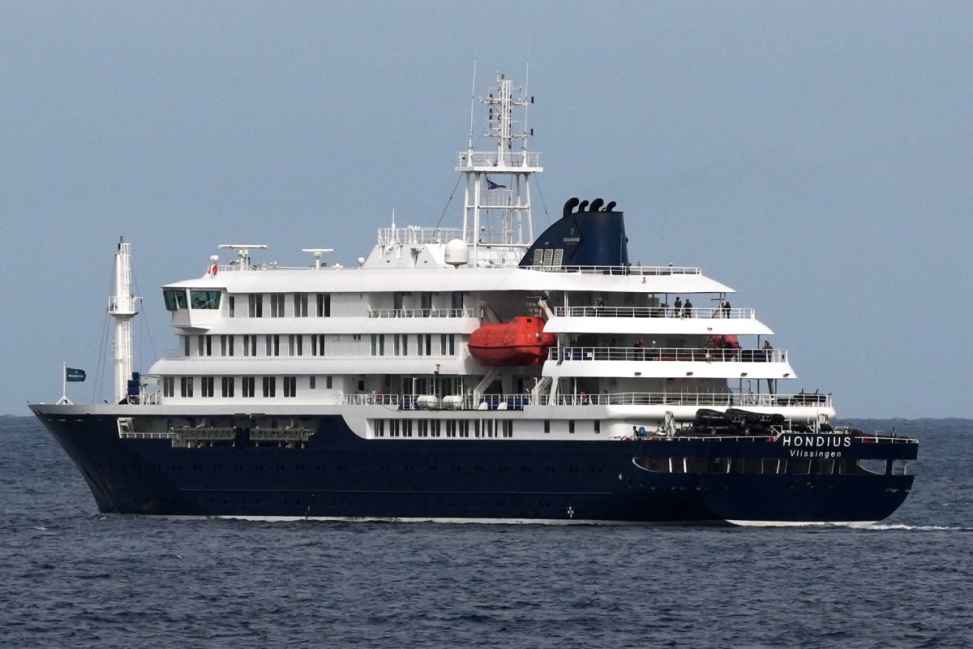
In February 2025, classical pianist Betsy Arakawa died from a virus she likely contracted while living in her New Mexico home. Her husband, actor Gene Hackman, passed away the following week due to heart disease. The pathogen responsible was hantavirus, which had been carried by deer mouse droppings on their property. Fourteen months later, 11 people aboard the Dutch cruise ship MV Hondius have contracted a different strain of hantavirus, with three fatalities and cases reported across four continents.
This outbreak is not the next pandemic but serves as a reminder that humans pushing into ecosystems they don't normally inhabit expose themselves to viruses. Ebola in West Africa in 2014 followed deforestation and increased contact with bats; similarly, the Andes virus on the Hondius spread through close interpersonal contact at crowded social events.
Cruise ships provide an ideal setting for hantavirus transmission. Confined cabins, shared dining rooms, and recirculated air make them "floating petri dishes" where a limited contagion can find unexpected pathways. The first confirmed case aboard the ship had spent four months in South America before boarding, potentially exposed to rodents.
The New England Journal of Medicine study on the 2018 Andes outbreak underscores how a single spillover event from a rodent reservoir could lead to multiple human cases and deaths over three months. This highlights the interconnectedness between animal health, climate change, land use, and human travel.
Hantaviruses do not begin in hospitals or airports; they circulate in animal reservoirs whose ranges are shaped by climate, land use, and human encroachment. Deer mouse populations in North America boomed following a wet, warm El Niño winter of 1991-1992, triggering the 1993 hantavirus outbreak.
The ecology of Andes virus in Patagonia is shifting under continued warming and drying conditions, potentially redistributing rather than eliminating spillover risk. Similar dynamics play out elsewhere: Lyme disease has been creeping north into Ontario and Quebec as warming winters expand its range, while mosquitoes carrying dengue, Zika, and chikungunya are expanding their presence across Europe and North America.
The response to the cruise ship outbreak revealed how brittle our systems remain. When a passenger died on April 11, Hantavirus was not identified until May 2, three weeks during which the ship continued its route. The World Health Organization's (WHO) handbook for managing public health events on board ships calls for an "all-hazards" precautionary approach when a cause cannot be identified but was not applied.
The International Health Regulations give the WHO almost no authority to enforce these guidelines, relying instead on cooperation based on goodwill. This thin veneer of trust can break down during crises like this one, as Cape Verde and Spain ultimately accepted the ship despite its inability to handle an emergency.
Ultimately, the cruise ship hantavirus outbreak is a stress test for us. We have learned from past crises but still have much further to go in terms of stronger international agreements that share information in real time, better spillover monitoring, and more resilient systems to catch "the big one" early.
For Canadians, the practical message remains unchanged: ventilate closed spaces before entering, wet contaminated surfaces before cleaning, and never dry-sweep rodent droppings. However, this outbreak also underscores a deeper lesson: in a world where boundaries between human health, animal health, climate, and travel are largely fictional and shrinking further every year, we must work together to prevent such outbreaks from occurring.