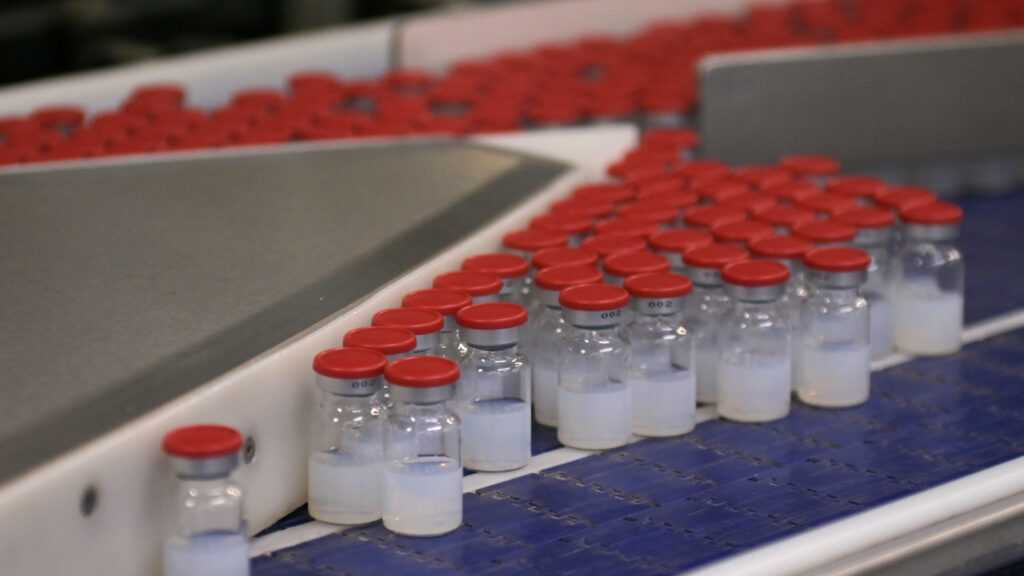
The U.S. Food and Drug Administration blocked approval of a new skin cancer treatment for melanoma, disappointing doctors and patients who saw promising results from a clinical trial.
The U.S. Food and Drug Administration (FDA) recently made a decision to withhold approval for a groundbreaking new drug aimed at treating melanoma, the deadliest form of skin cancer. This move has left many medical professionals and affected individuals frustrated as the drug had shown significant promise in extending patients' lives during clinical trials.
Doctors who specialize in treating melanoma have expressed their disappointment with this outcome. The drug, which was undergoing rigorous testing to determine its efficacy and safety, demonstrated remarkable results in prolonging participants’ survival rates by a third compared to existing treatments. This progress could potentially offer new hope for those battling the disease.
However, the FDA’s decision to block approval has raised questions about the regulatory process and the factors that influenced this outcome. Confusion seems to have reigned as stakeholders grapple with the implications of such a significant setback in melanoma treatment options.
The clinical trial data supporting the drug's efficacy was robust and compelling, but it appears that additional scrutiny or unforeseen complications may have delayed its approval. This situation highlights the complex nature of medical research and the challenging decisions faced by regulatory bodies like the FDA when evaluating new treatments for serious illnesses.
As patients await further clarification on why their preferred treatment has been denied approval, there is a growing sense of uncertainty among those who might benefit from this innovative approach to melanoma care. The decision underscores the ongoing need for transparent communication between medical researchers and regulators regarding the development and evaluation of life-saving therapies.