European Union aims to strengthen medicine supply chain with draft law targeting 200 critical medicines. Learn more about the initiative in STAT+.
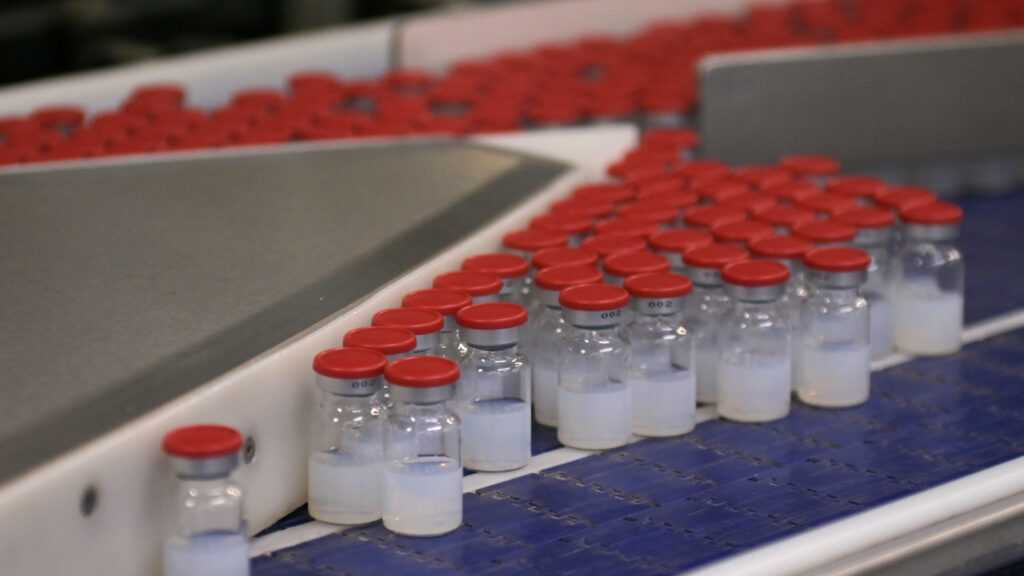
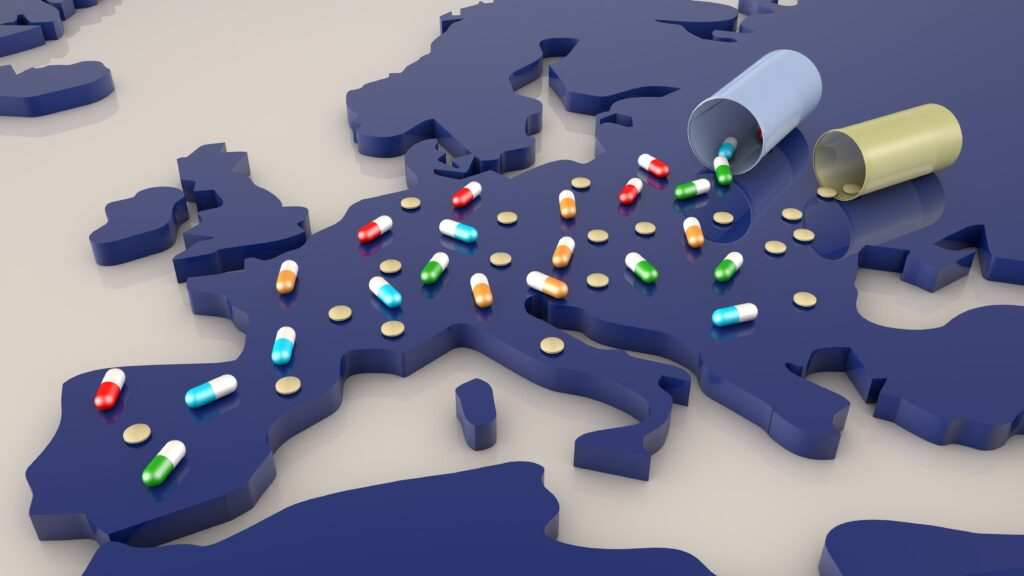
The European Union has reached a provisional deal to bolster the supply of essential medicines, such as antibiotics, insulin, vaccines, and painkillers, aiming to avoid shortages by boosting domestic production and reducing reliance on imports. Dubbed the Critical Medicines Act, this legislative proposal seeks to address vulnerabilities seen during the Covid-19 pandemic.
The initiative targets more than 200 critical medicines that are essential for regional health security, including treatments for rare diseases. According to Neophytos Charalambides, Cyprus's health minister, "With today’s agreement, we are taking practical action to reduce our vulnerabilities, diversify supply chains and strengthen Europe’s capacity to produce critical medicines and their ingredients closer to home."
The Critical Medicines Act is designed to ensure a more resilient healthcare system by reducing dependency on imports. By supporting local production, the EU aims to mitigate risks associated with global supply chain disruptions that led to severe drug shortages during the pandemic.
Health ministers from various countries have expressed support for this initiative, emphasizing its importance in enhancing regional health security and ensuring access to essential medications. The proposed legislation is expected to be finalized soon, providing a framework for increased domestic production of critical medicines across Europe.
This move comes amidst growing concerns about global supply chain vulnerabilities and the need for more localized healthcare solutions. By focusing on strengthening local manufacturing capabilities, the EU hopes to create a more robust pharmaceutical ecosystem that can better withstand future disruptions and ensure uninterrupted access to vital medications.
The Critical Medicines Act is part of broader efforts by European policymakers to address critical health issues through targeted legislation. As Europe continues to navigate challenges in healthcare supply chains, this initiative represents a significant step towards building a more resilient and self-sufficient pharmaceutical sector.