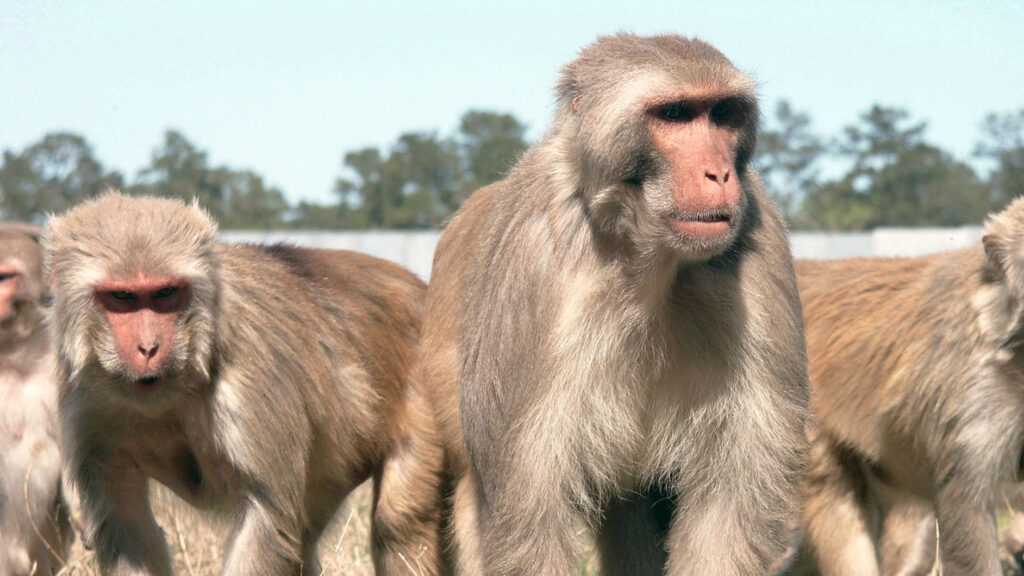
The Centers for Disease Control and Prevention is transferring over 160 macaques to a Texas sanctuary as part of efforts to phase out animal testing in research, with a deadline for responses by May 28.
The Centers for Disease Control and Prevention is taking a significant step towards reducing its reliance on animal testing by transferring over 160 macaques to a nonprofit sanctuary in Texas. The agency has posted a notice on a procurement website, indicating its intention to move the monkeys to Born Free USA, a organization that operates a large primate sanctuary. This move is part of a broader effort to phase out the use of monkeys in research, driven by the "unusual and compelling urgency" of finding suitable housing for the animals.
The CDC is seeking to transfer the monkeys quickly, with responses to the proposed contract being accepted until May 28. While a specific timeline for the transfer has not been specified, the agency's sense of urgency is clear. The decision to relocate the monkeys to a sanctuary is a significant development in the ongoing debate about the use of animals in scientific research. Many organizations and advocacy groups have been pushing for a reduction in animal testing, citing concerns about animal welfare and the need for more humane and effective research methods.
The transfer of the monkeys to Born Free USA's sanctuary in Texas is expected to provide a safe and suitable environment for the animals. The sanctuary is equipped to provide the necessary care and housing for the macaques, and the organization has a strong track record of providing a safe haven for primates. The CDC's decision to partner with Born Free USA is a positive step towards reducing its reliance on animal testing and promoting more humane research practices.
The move is also part of a larger trend towards reducing animal testing in the scientific community. Many organizations and researchers are exploring alternative methods, such as computer simulations and cell-based assays, to reduce their reliance on animal models. The CDC's decision to transfer the monkeys to a sanctuary is a significant development in this area, and it is likely to be seen as a positive step towards promoting more humane and effective research practices.
As the scientific community continues to evolve and adapt to new technologies and methodologies, it is likely that we will see a further reduction in animal testing. The CDC's decision to transfer the monkeys to a sanctuary is a significant step in this direction, and it is a positive development for animal welfare and the scientific community as a whole. The move is also a testament to the growing recognition of the need for more humane and effective research practices, and it is likely to be seen as a model for other organizations and researchers to follow.