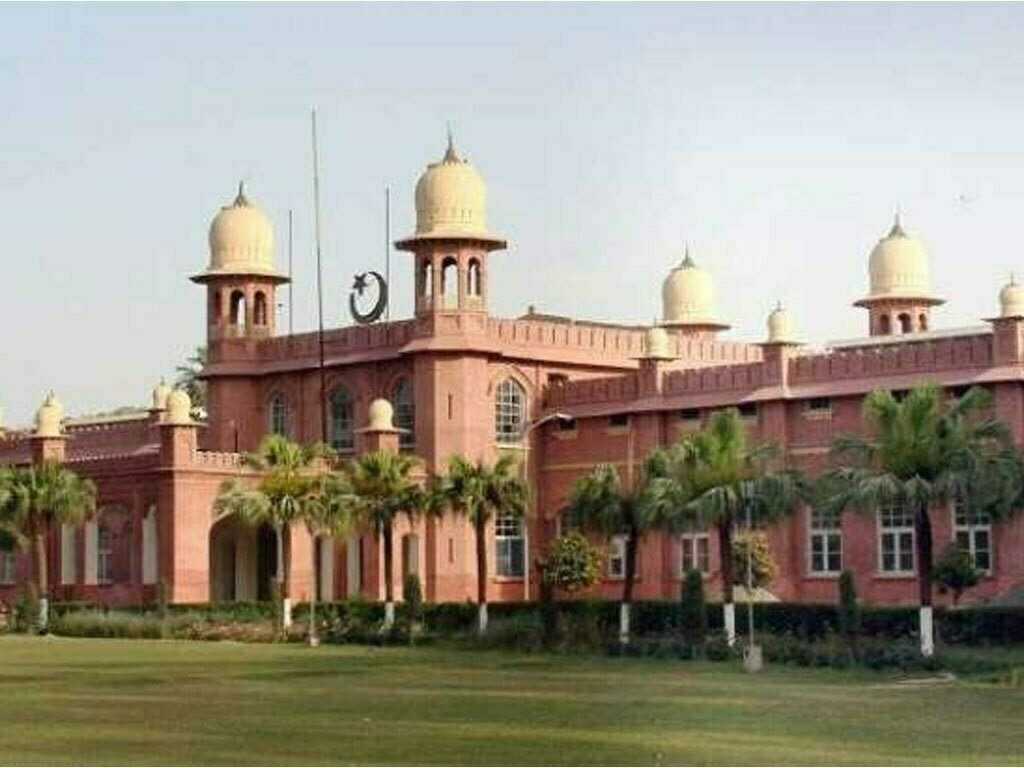
A new book titled Oasis Agriculture in Pakistan has been launched at the University of Agriculture Faisalabad, exploring folk tales of agro-pastoral heritages and biodiversity.
The University of Agriculture Faisalabad recently hosted a ceremony to launch a book titled "Oasis Agriculture in Pakistan", written by Prof Dr Andreas Burkert from the University of Kassel, Germany. This book is a comprehensive compilation of folk tales of agro-pastoral heritages, transformation, and biodiversity in Pakistan.
The book launch ceremony was a significant event, bringing together academics, researchers, and experts in the field of agriculture to discuss the importance of oasis agriculture in Pakistan. Prof Dr Andreas Burkert's work is a valuable contribution to the field, providing insights into the traditional practices and knowledge of agro-pastoral communities in Pakistan.
The book "Oasis Agriculture in Pakistan" is a testament to the rich cultural heritage of Pakistan's agricultural sector. It highlights the need to preserve and promote traditional farming practices, while also embracing modern technologies and innovations to improve agricultural productivity and sustainability. The book is expected to be a valuable resource for researchers, policymakers, and practitioners working in the field of agriculture and rural development.
The launch of the book at the University of Agriculture Faisalabad is a significant milestone, marking a new chapter in the university's efforts to promote research and knowledge sharing in the field of agriculture. The university's commitment to academic excellence and community engagement is reflected in its initiatives to support authors and researchers like Prof Dr Andreas Burkert, who are working to advance our understanding of Pakistan's agricultural sector.
The book "Oasis Agriculture in Pakistan" is a timely reminder of the importance of preserving our cultural heritage and promoting sustainable agricultural practices. As Pakistan continues to face challenges related to food security, climate change, and rural development, the insights and knowledge shared in this book will be invaluable in informing policy and practice. The university's efforts to promote research and knowledge sharing in the field of agriculture are a step in the right direction, and it is hoped that this book will inspire further research and innovation in the years to come.