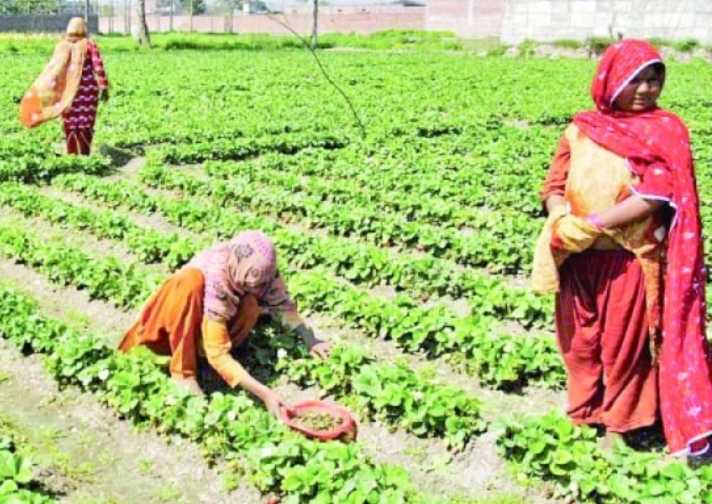
Experts emphasize that precision farming can only reach its full potential if women farmers are given equal access to modern technologies, training, and decision-making processes.
Precision agriculture must be inclusive to empower women farmers, according to experts who spoke at a recent webinar. The event, titled "Gender & Inclusion in Precision Agriculture: Bridging the Gap," was organized by the Asian Disaster Preparedness Center. These experts highlighted that for precision agriculture to achieve its full potential, it is crucial to provide women farmers with equal access to modern technologies, training opportunities, financial resources, and decision-making processes.
The webinar brought together a diverse group of stakeholders, including researchers, policymakers, and agricultural practitioners, who discussed the challenges faced by women in accessing these essential tools. They emphasized that without such inclusivity, the benefits of precision agriculture—such as increased efficiency and productivity—are unlikely to be realized fully across all segments of the farming community.
One key issue highlighted was the lack of training programs specifically tailored for women farmers. Many existing initiatives fail to address their unique needs and circumstances, which can limit their ability to adopt new technologies effectively. The experts called for more targeted training sessions that cater to the specific challenges faced by female farmers, such as balancing work with family responsibilities.
Financial barriers were also identified as a significant hurdle. Women often face difficulties in accessing credit and other financial services necessary to invest in precision agriculture equipment and practices. To overcome this, the webinar suggested creating tailored financing options that are more accessible and affordable for women farmers.
Decision-making processes within agricultural communities need to become more inclusive too. The experts argued that involving women in these processes can lead to better outcomes as they bring unique perspectives and insights based on their daily experiences. By ensuring women have a voice in decision-making, the overall effectiveness of precision agriculture initiatives can be significantly enhanced.
In conclusion, the webinar underscored the importance of addressing gender disparities within precision agriculture practices. Only by making these technologies and resources truly inclusive can we empower women farmers to contribute fully to agricultural development and ensure more equitable outcomes for all.