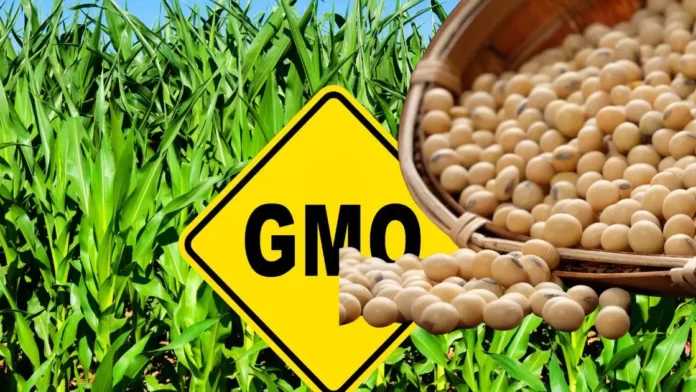
Pakistan has approved significant changes to its GMO regulatory framework, simplifying licensing procedures and easing imports to boost agricultural research and development.
Pakistan is taking steps to liberalize its genetically modified organisms (GMO) regime through major biosafety reforms. The decision was made during a meeting of the National Biosafety Committee (NBC), which has approved amendments to the Pakistan Biosafety Rules 2005. These changes include simplifying licensing procedures, easing imports, and facilitating laboratory research in both universities and private sectors.
The aim is to create a more streamlined and efficient regulatory environment for GMOs, which could significantly boost agricultural research and development. By reducing bureaucratic hurdles, the government hopes to encourage innovation and investment in biotechnology, ultimately benefiting farmers and the broader economy.
These reforms are part of Pakistan's broader strategy to modernize its agricultural sector and enhance food security. With these changes, researchers and private companies will have easier access to necessary permits and resources, fostering a more dynamic biosafety landscape.
The National Biosafety Committee’s decision reflects a commitment to keeping pace with global advancements in biotechnology while ensuring safety standards are maintained. By simplifying the licensing process, Pakistan aims to attract more investment and collaboration in this field, potentially leading to breakthroughs that could address local agricultural challenges.
Overall, these reforms represent a significant shift towards a more flexible and supportive regulatory framework for GMOs in Pakistan, setting the stage for potential advancements in agriculture and biotechnology.