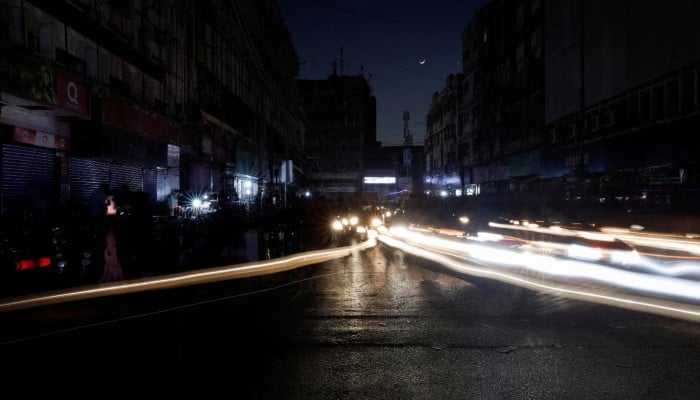
Living in the dark has become a harsh reality for many residents of Karachi, where power breakdowns are a frequent occurrence. On some nights, the first sign of an outage is not the darkness itself, but the eerie silence that follows. The fan slows down, the room becomes still, and the body begins to sense the loss of electricity before the mind fully registers it. This is a common experience in parts of Karachi, where loadshedding is mostly scheduled but can still be unpredictable and frustrating.
The mental toll of these power breakdowns cannot be overstated. Residents are often left feeling anxious and frustrated, unsure of when the electricity will be restored. The lack of power can disrupt daily routines, making it difficult to perform even the simplest tasks. For example, a homeowner may have to postpone cooking dinner or cancel plans with friends due to the outage. This can lead to feelings of isolation and disconnection from the rest of the world.
The impact of power breakdowns on mental health is a growing concern. Prolonged periods of darkness can exacerbate existing mental health conditions such as depression and anxiety. The uncertainty and unpredictability of loadshedding can also create a sense of unease, making it difficult for residents to plan their daily lives. Furthermore, the lack of access to basic necessities like light and electricity can make people feel vulnerable and helpless.
In addition to the mental health implications, power breakdowns also have a significant impact on the economy and daily life. Businesses are often forced to close temporarily, resulting in lost revenue and productivity. Residents may also have to spend more money on alternative sources of energy, such as generators or candles, which can be a significant burden on low-income households. As the frequency and duration of power breakdowns continue to increase, it is essential to address the underlying issues and work towards finding a sustainable solution to this problem.