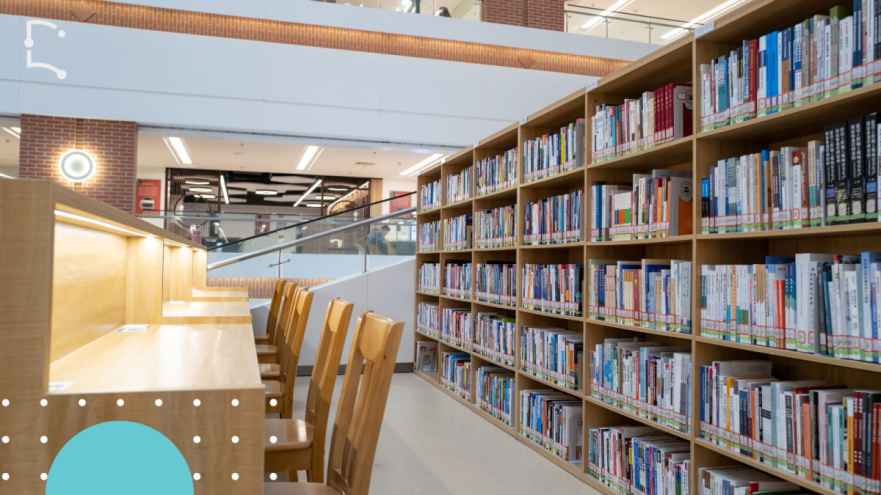
Libraries are vital in today's information-driven world, fostering research, academic growth, and intellectual development.
In an era driven by information and innovation, libraries continue to play a pivotal role in supporting research, academic growth, and intellectual development. These institutions have evolved far beyond their traditional image as quiet buildings filled with books, transforming into dynamic knowledge hubs that empower students, scholars, researchers, and entrepreneurs.
Modern libraries offer extensive resources including digital materials, interactive spaces, workshops, and collaborative environments. They provide access to a wide range of information sources such as e-books, journals, databases, and multimedia content. This accessibility helps users stay updated with the latest research findings and trends across various fields.
Libraries also serve as centers for academic growth by offering study areas, group discussion rooms, and specialized facilities like computer labs equipped with high-tech tools. These resources facilitate learning environments that encourage critical thinking, creativity, and problem-solving skills among learners of all ages.
Moreover, libraries play a crucial role in fostering innovation through their support for creative projects, startup incubators, and entrepreneurship programs. They collaborate with local businesses to provide training workshops on topics such as business planning, market research, and technology development. This partnership helps nurture new ideas and startups within the community.
In addition, libraries often host public lectures, author talks, and cultural events that bring together diverse communities for knowledge sharing and intellectual stimulation. These activities not only enhance individual learning experiences but also promote social cohesion by bringing people from different backgrounds together under a common goal of expanding their understanding of the world around them.
Furthermore, libraries serve as essential resources for lifelong learning, offering classes on various subjects ranging from basic literacy to advanced research techniques. They provide guidance and support to patrons who may be new to using library services or seeking help with specific academic challenges.
Overall, modern libraries have become indispensable pillars in today's society, serving not only as repositories of knowledge but also as catalysts for discovery, innovation, and progress. Their continued evolution ensures that they remain relevant and valuable assets for individuals and communities alike.