A door-to-door survey in Islamabad Capital Territory's rural areas identifies over 22,000 out-of-school children, prompting concerns about education access and equity in the region.
A recent door-to-door survey conducted in the rural areas of Islamabad Capital Territory has revealed a staggering number of out-of-school children. According to the findings, a total of 22,057 children, comprising 11,733 boys and 10,319 girls, are not attending school in the 36 rural union councils of the territory.
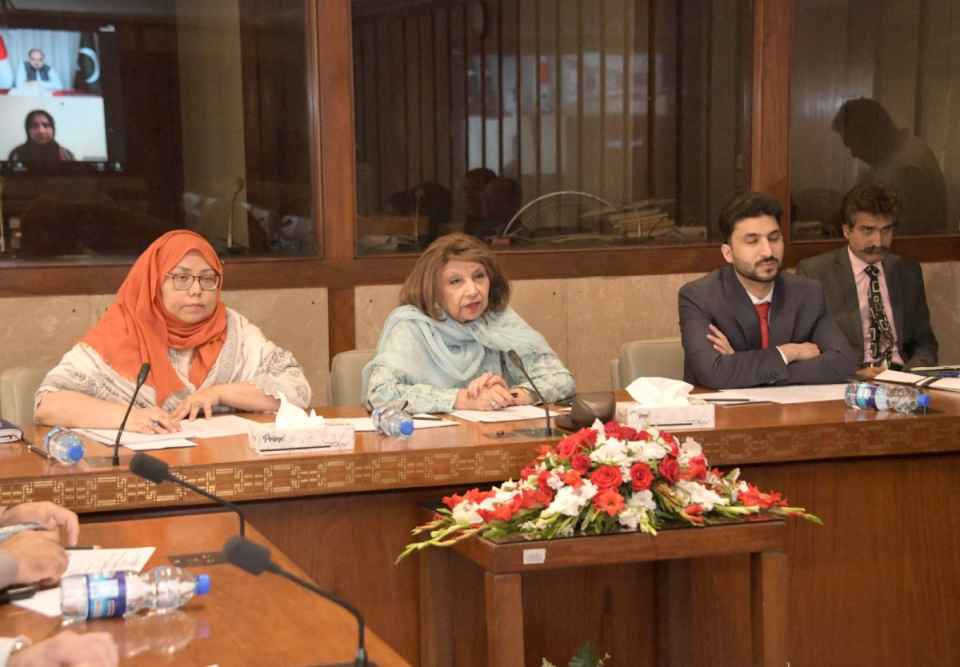
The National Assembly Standing Committee on Federal Education and Professional Training was informed about the survey's findings on Wednesday. The committee, chaired by Acting Chairperson Mehtab, was told that the survey aimed to identify the number of out-of-school children in the rural areas of Islamabad Capital Territory.
The survey's findings have raised concerns about the accessibility and quality of education in the rural areas of the territory. The fact that over 22,000 children are not attending school highlights the need for the government to take urgent measures to address the issue. The committee has been tasked with overseeing the implementation of education policies and programs, and it is expected to take steps to ensure that all children in the territory have access to quality education.
The identification of out-of-school children is a crucial step towards addressing the issue of education access and equity in the region. The government can now use the survey's findings to develop targeted interventions and programs to bring these children back to school. This may involve providing financial support to families, improving the quality of education in rural areas, and creating awareness about the importance of education among parents and communities.
The survey's findings also underscore the need for a comprehensive approach to addressing the issue of out-of-school children. This may involve collaboration between government agencies, non-governmental organizations, and community groups to provide support to families and children. By working together, it is possible to ensure that all children in the territory have access to quality education and can reach their full potential.