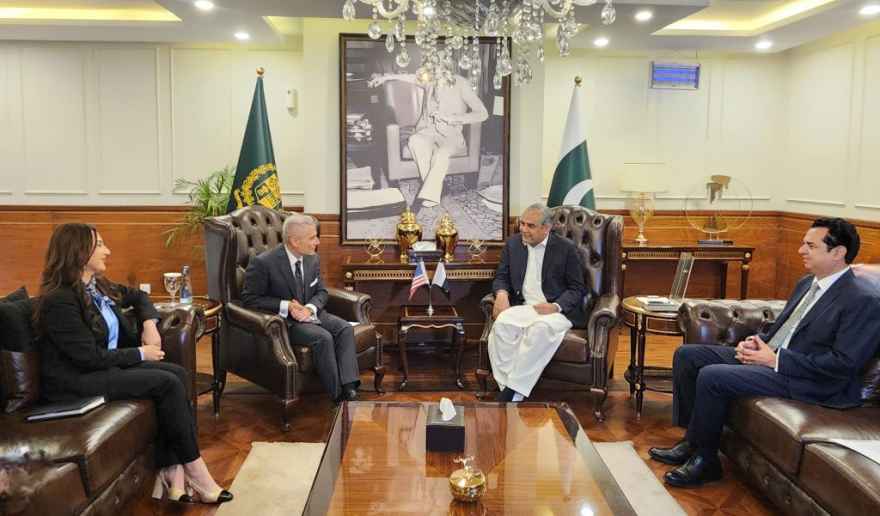
In a significant diplomatic engagement, Federal Interior Minister Mohsin Naqvi met with U.S. Assistant Secretary of State for South and Central Asian Affairs S. Paul Kapur on Friday in Islamabad. The meeting aimed to assess the trajectory of Pakistan-U.S. relations, address regional security concerns, and explore avenues for deeper cooperation. The bilateral discussion took place against a backdrop of heightened geopolitical shifts in the Middle East and renewed emphasis on counterterrorism coordination. Naqvi emphasized that Pakistan-U.S. ties had strengthened under President Donald Trump’s tenure, highlighting mutual trust, shared objectives, and robust cooperation as the foundation of their relationship. During his remarks, Naqvi underscored Islamabad's commitment to facilitating U.S. interests in the region, particularly in areas such as counterterrorism and counternarcotics. A key assurance came when he reaffirmed foolproof security measures for American companies operating on the Reko Diq Project, one of the largest foreign investment ventures in Pakistan. Sources present at the meeting the discussion also touched upon operational frameworks to ensure long-term investor confidence. Naqvi pushed for stronger people-to-people connectivity by reiterating his desire for an early resumption of direct flights between Pakistan and the United States—a longstanding bilateral agenda item. Officials believe the revival of direct air links would boost business, academic exchange, and diaspora engagement. The evolving Middle East conflict was also a prominent topic during the dialogue. Naqvi expressed hope for a "lasting and peaceful settlement," stressing the need for collective global diplomacy to stem regional volatility. Kapur acknowledged Pakistan's contributions, praising Islamabad's ongoing efforts in promoting regional peace and stability. Diplomatic observers view his remarks as an encouraging signal of Washington’s recognition of Pakistan's strategic role. The meeting concluded with both sides agreeing to maintain momentum on security cooperation and institutional engagements. As diplomatic signals go, Wednesday's interaction may well mark another step toward recalibrated, forward-looking Pakistan-U.S. relations.
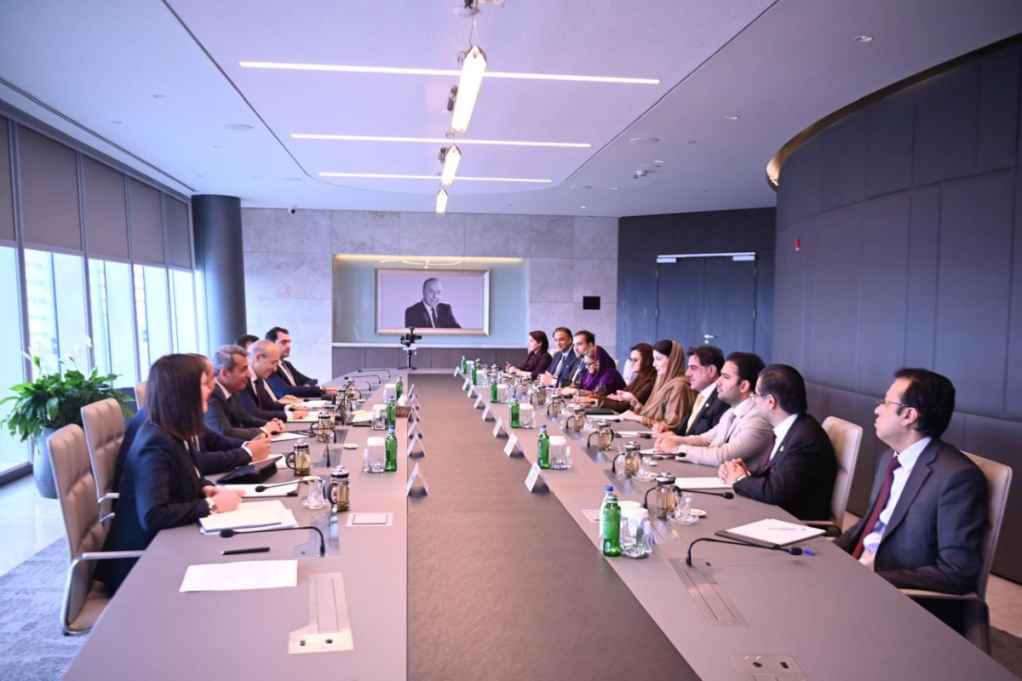
ISLAMABAD, May 15 (APP): In a significant diplomatic engagement, Federal Interior Minister Mohsin Naqvi met with U.S. Assistant Secretary of State for South and Central Asian Affairs S. Paul Kapur on Friday in Islamabad to review the trajectory of Pakistan-U.S. relations, address regional security concerns, and explore avenues for deeper cooperation.
The bilateral discussion took place against a backdrop of heightened geopolitical shifts in the Middle East and renewed emphasis on counterterrorism coordination. Naqvi emphasized that Pakistan-U.S. ties had strengthened under President Donald Trump’s tenure, highlighting mutual trust, shared objectives, and robust cooperation as the foundation of their relationship.
During his remarks, Naqvi underscored Islamabad's commitment to facilitating U.S. interests in the region, particularly in areas such as counterterrorism and counternarcotics. A key assurance came when he reaffirmed foolproof security measures for American companies operating on the Reko Diq Project, one of the largest foreign investment ventures in Pakistan.
Sources present at the meeting the discussion also touched upon operational frameworks to ensure long-term investor confidence. Naqvi pushed for stronger people-to-people connectivity by reiterating his desire for an early resumption of direct flights between Pakistan and the United States—a longstanding bilateral agenda item. Officials believe the revival of direct air links would boost business, academic exchange, and diaspora engagement.
The evolving Middle East conflict was also a prominent topic during the dialogue. Naqvi expressed hope for a "lasting and peaceful settlement," stressing the need for collective global diplomacy to stem regional volatility. Kapur acknowledged Pakistan's contributions, praising Islamabad's ongoing efforts in promoting regional peace and stability. Diplomatic observers view his remarks as an encouraging signal of Washington’s recognition of Pakistan's strategic role.
The meeting concluded with both sides agreeing to maintain momentum on security cooperation and institutional engagements. As diplomatic signals go, Wednesday's interaction may well mark another step toward recalibrated, forward-looking Pakistan-U.S. relations.
ISLAMABAD, May 15 (APP): In a significant diplomatic engagement, Federal Interior Minister Mohsin Naqvi met with U.S. Assistant Secretary of State for South and Central Asian Affairs S. Paul Kapur on Friday in Islamabad to review the trajectory of Pakistan-U.S. relations, address regional security concerns, and explore avenues for deeper cooperation.
The bilateral discussion took place against a backdrop of heightened geopolitical shifts in the Middle East and renewed emphasis on counterterrorism coordination. Naqvi emphasized that Pakistan-U.S. ties had strengthened under President Donald Trump’s tenure, highlighting mutual trust, shared objectives, and robust cooperation as the foundation of their relationship.
During his remarks, Naqvi underscored Islamabad's commitment to facilitating U.S. interests in the region, particularly in areas such as counterterrorism and counternarcotics. A key assurance came when he reaffirmed foolproof security measures for American companies operating on the Reko Diq Project, one of the largest foreign investment ventures in Pakistan.
Sources present at the meeting the discussion also touched upon operational frameworks to ensure long-term investor confidence. Naqvi pushed for stronger people-to-people connectivity by reiterating his desire for an early resumption of direct flights between Pakistan and the United States—a longstanding bilateral agenda item. Officials believe the revival of direct air links would boost business, academic exchange, and diaspora engagement.
The evolving Middle East conflict was also a prominent topic during the dialogue. Naqvi expressed hope for a "lasting and peaceful settlement," stressing the need for collective global diplomacy to stem regional volatility. Kapur acknowledged Pakistan's contributions, praising Islamabad's ongoing efforts in promoting regional peace and stability. Diplomatic observers view his remarks as an encouraging signal of Washington’s recognition of Pakistan's strategic role.
The meeting concluded with both sides agreeing to maintain momentum on security cooperation and institutional engagements. As diplomatic signals go, Wednesday's interaction may well mark another step toward recalibrated, forward-looking Pakistan-U.S. relations.