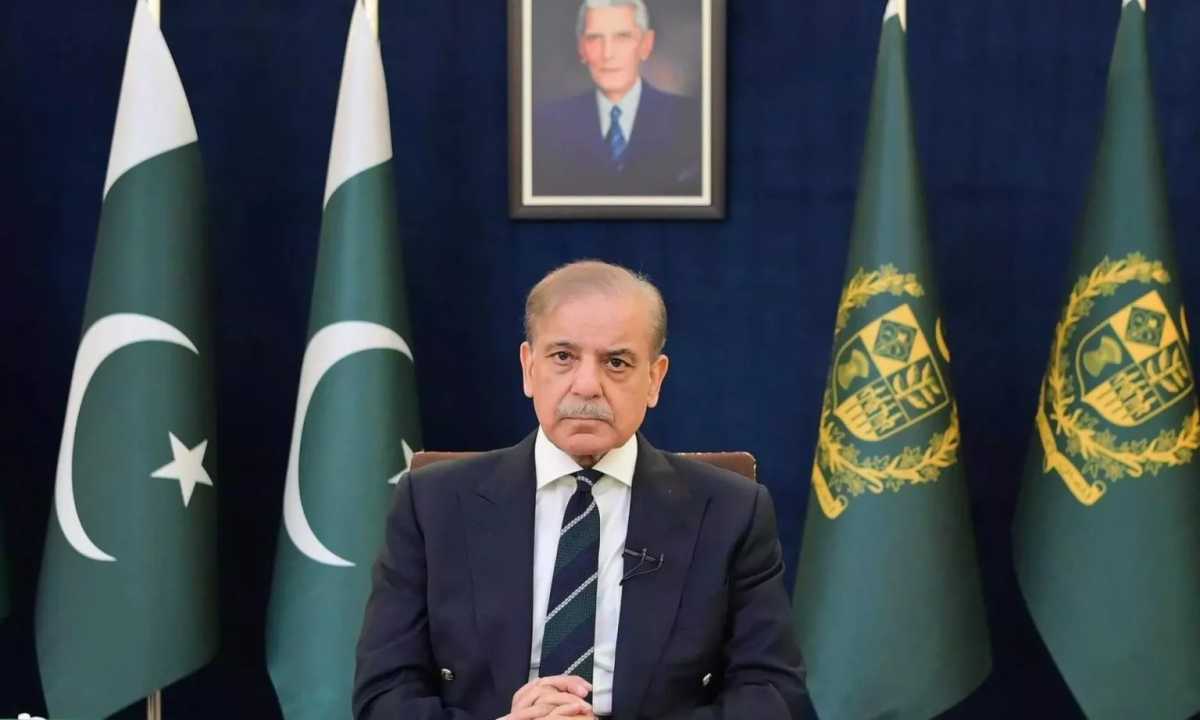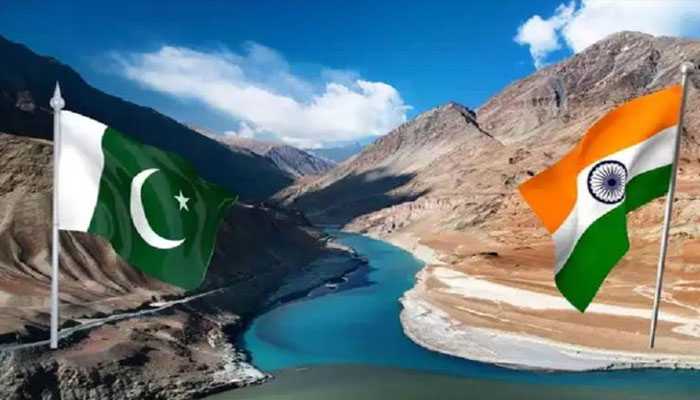
India's rejection of the International Court of Arbitration ruling on the Indus Waters Treaty exposes its disregard for international law, experts say.
India's statement against the International Court of Arbitration (ICA) in relation to the Indus Waters Treaty (IWT) has been widely condemned by political and diplomatic experts. They argue that this rejection clearly demonstrates India’s disregard for both international law and justice. Former ambassador Manzoorul Haq expressed his strong disapproval, stating that the Indian government's spokesperson issued a statement rejecting the ICA ruling on the Indus Waters Treaty. This stance is seen as a significant violation of international legal norms and principles. The experts emphasize that the treaty was signed in 1960 between India and Pakistan to regulate water sharing from the rivers of the Indus Basin, including the Indus River itself and its tributaries. The ICA's ruling, issued in 2018, affirmed the validity of this agreement. Critics argue that by rejecting such a crucial international legal decision, India is not only undermining the rule-based order but also disregarding the rights and interests of Pakistan as per the treaty provisions. This action has further strained bilateral relations between the two nations. The experts believe that resolving disputes through peaceful means and adherence to international law are essential for maintaining stability in South Asia. They call upon both countries to engage constructively with each other, focusing on dialogue rather than confrontation, to address their differences amicably. India's rejection of the ICA ruling is seen as a setback for regional cooperation and peace efforts. The experts urge India to reconsider its position and work towards upholding international law and justice in matters concerning shared water resources and bilateral relations.