A decade of isolation attempts by India against Pakistan have reportedly ended in failure, with Pakistan emerging as a key player due to strategic events.
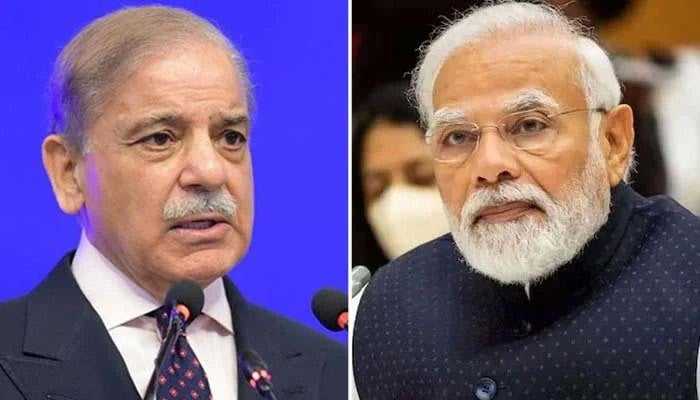
A recent report has highlighted that Prime Minister Narendra Modi’s decade-long efforts to isolate Pakistan have failed. This conclusion comes 10 years after Modi first vowed to sever ties and create diplomatic and economic challenges for the neighboring country.
According to the report, Pakistan managed to capitalize on several key events during this period to establish itself as a significant player in regional politics and beyond. These strategic moments allowed Islamabad to maintain its influence despite India’s attempts at isolation. The report suggests that Pakistan successfully navigated through various crises and diplomatic maneuvers, ensuring it remained relevant and influential.
The failure of India's strategy is attributed to several factors. Firstly, Pakistan leveraged international events such as the 2015 Muzaffarabad earthquake and subsequent relief efforts to gain goodwill and support from the global community. Secondly, the country capitalized on regional dynamics, particularly in Afghanistan, where it played a crucial role in stabilizing the situation.
Moreover, Pakistan’s diplomatic acumen was evident in its handling of cross-border issues and its engagement with other major powers like China and Russia. These strategic alliances helped counterbalance India's efforts to isolate Pakistan diplomatically and economically.
In conclusion, this report underscores the resilience and adaptability of Pakistan under Prime Minister Shehbaz Sharif’s leadership. It highlights how the country successfully navigated through a decade of challenges posed by India, emerging stronger and more influential in regional politics.