Saudi Ministry of Health launches comprehensive 'Hajj in Health' guidelines to ensure pilgrims' health, safety, and well-being with vital medical directives on heatstroke prevention, infectious diseases, and food safety.
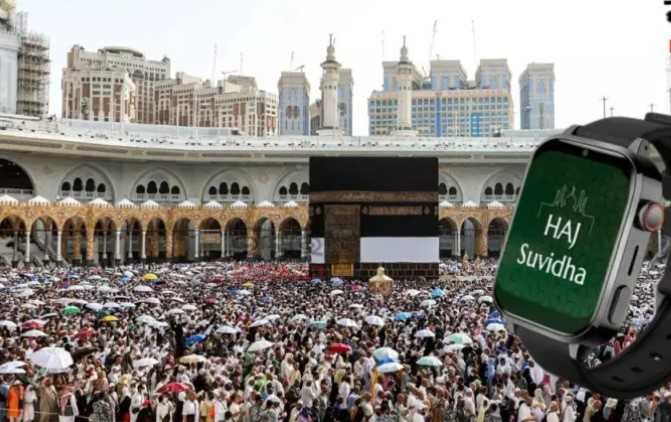
The Saudi Ministry of Health has launched a comprehensive medical guidebook titled ‘Hajj in Health’ in eight major global languages, including Urdu. This initiative aims to provide vital medical directives to ensure the health, safety, and well-being of hundreds of thousands of Pakistani pilgrims performing the annual Hajj ritual.
The guidelines emphasize several critical areas: Firstly, they offer detailed heatstroke prevention strategies for pilgrims navigating the scorching Saudi Arabian climate during the pilgrimage. The document outlines specific measures such as staying hydrated, avoiding direct sunlight exposure, and recognizing early signs of heat exhaustion to prevent severe health complications.
Secondly, the ‘Hajj in Health’ guidelines address infectious diseases prevalent in Hajj sites. These include comprehensive information on hygiene practices, vaccination recommendations, and preventive measures against common illnesses like influenza and gastrointestinal infections. The aim is to minimize the risk of disease transmission among pilgrims through adherence to these medical directives.
Lastly, food safety is a significant concern during Hajj due to the large number of participants sharing limited resources. The guidelines provide detailed instructions on how to ensure safe food consumption, including proper handling, cooking, and storage practices. They also emphasize the importance of avoiding contaminated water sources and consuming only hygienically prepared meals to prevent outbreaks of foodborne illnesses.
These comprehensive medical directives are a crucial step in ensuring that pilgrims have access to essential health information before embarking on their journey. By providing clear guidance on heatstroke prevention, infectious disease control, and food safety, the ‘Hajj in Health’ guidelines aim to enhance the overall experience and well-being of all participants.
The Saudi Ministry of Health’s commitment to public health during Hajj is commendable, as it not only safeguards individual pilgrims but also contributes to maintaining a safe environment for all visitors. This initiative underscores the importance of preparedness and education in managing the unique challenges associated with mass gatherings like Hajj.