Global tensions and supply disruptions are driving up crude oil prices, prompting Pakistan to prioritize energy security as a key component of its economic strategy.
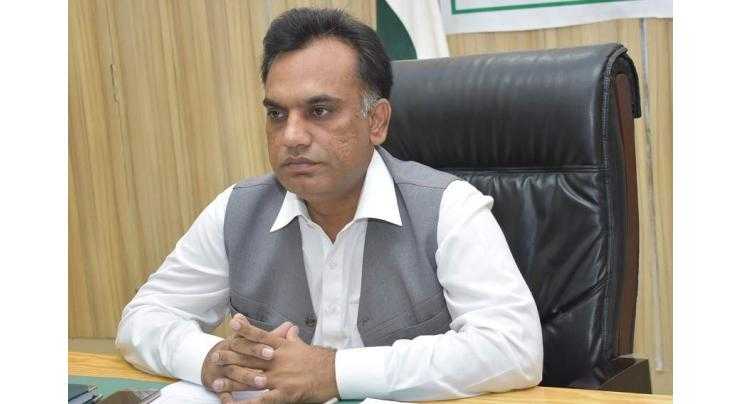
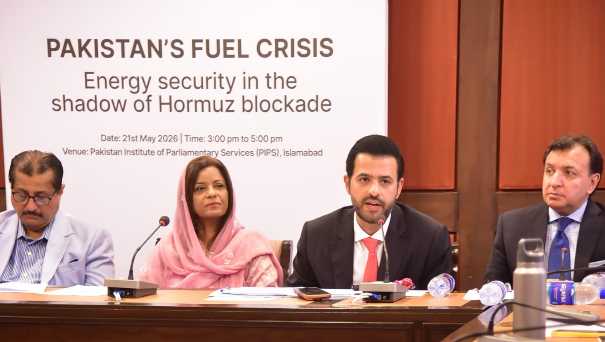
Federal Parliamentary Secretary for Information and Broadcasting Barrister Danyal Chaudhry warned on Thursday that escalating tensions between the United States and Iran, instability around the Strait of Hormuz, and disruptions in global supply chains have sharply increased international crude oil prices. This has forced Pakistan to take difficult but necessary decisions to safeguard its energy security, which is now at the heart of its economic strategy.
The recent surge in oil costs underscores the critical importance of energy stability for Pakistan’s economy. As a major importer of petroleum products, any fluctuations in global oil markets can have significant repercussions on domestic prices and consumer affordability. To mitigate these risks, the Pakistani government has been exploring various measures to diversify its energy sources and enhance supply resilience.
One approach being considered is expanding investments in renewable energy projects such as solar and wind power. Additionally, Pakistan is looking at ways to improve the efficiency of existing infrastructure and reduce waste throughout the energy sector. These efforts aim not only to secure a steady supply of affordable energy but also to promote sustainable development aligned with global environmental goals.
Furthermore, Chaudhry highlighted that international relations play a crucial role in ensuring stable oil supplies. Pakistan has been advocating for dialogue between key players like the United States and Iran to prevent further disruptions at critical maritime chokepoints such as the Strait of Hormuz. By fostering better diplomatic ties, Islamabad hopes to create a more predictable environment conducive to energy trade.
The shift towards prioritizing energy security is part of broader economic reforms aimed at improving Pakistan’s overall competitiveness in the global market. As international oil prices remain volatile and unpredictable, policymakers are under increasing pressure to implement robust strategies that protect national interests while promoting long-term growth prospects for the country.
In conclusion, the current global oil shock serves as a stark reminder of the interconnected nature of energy markets and economic stability. Pakistan’s response reflects a strategic shift towards safeguarding its energy security, positioning it better for future challenges and opportunities in an increasingly complex geopolitical landscape.