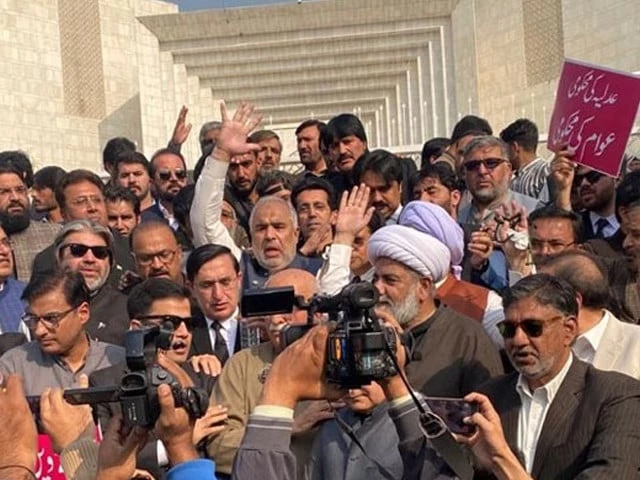
Analysts attribute the decline in opposition street power to legal pressure, fear among supporters, and economic hardships. Despite weak mobilization, electoral support remains strong.
ISLAMABAD: Only a couple of years ago, even routine opposition protests sent shockwaves through government circles. However, Friday's protest call by opposition parties, including the Pakistan Tehreek-e-Insaf (PTI), Jamiat Ulema-e-Islam (F), and Jamaat-e-Islami, unfolded very differently. Unlike previous occasions, there were no widespread preventive measures or visible signs of official alarm. By the end of the day, the protest campaign had largely fizzled out without any significant mobilization.
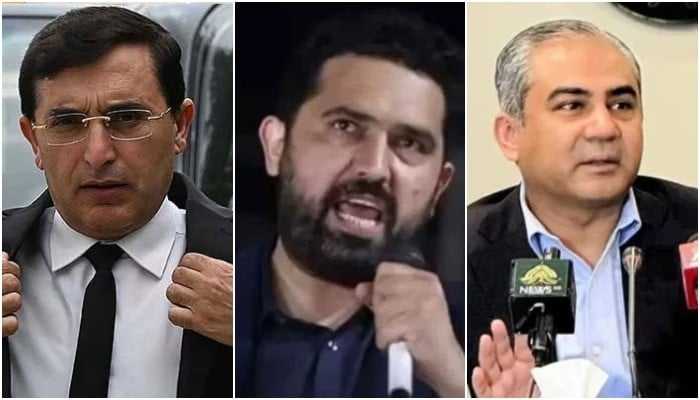
Political analysts attribute this decline to a combination of factors. Analyst Raza Rumi argues that repeated protest cycles, fear generated by arrests and legal crackdowns over the past two years, along with organizational strain within opposition ranks, have collectively undermined street mobilization. He notes that many supporters may still sympathize with the opposition's narrative but remain reluctant to participate due to the political and legal costs involved.
The PTI's ability to mobilize crowds rapidly has been significantly weakened since May 2023, when its leadership, workers, and organizational structure faced a crackdown. Political analyst Hassan Askari Rizvi points to two key reasons for weak street mobilization: economic pressure and fear of the state. He explains that worsening financial hardship, particularly among daily wage earners, has made it difficult for ordinary citizens to participate in protests because they cannot afford to miss work.
Askari Rizvi also notes that the state has become more strict, making bail in political cases take months rather than days. This creates a sense of insecurity and fear among people, further discouraging participation. He maintains that opposition support could still translate electorally, as people are likely to come out during elections despite weak street mobilization.
Ahmed Bilal Mehboob, president of the Pakistan Institute of Legislative Development and Transparency, adds that traditional success in street agitation requires covert backing from intelligence agencies, which is currently not available. He argues that any such agitation must be led by a credible and trusted leadership, something currently lacking. Despite weak street mobilization, Mehboob believes popular support for the federal government and armed forces has increased following recent developments, including Pakistan's diplomatic efforts in facilitating dialogue between Iran and the United States.
In his assessment, opposition warnings and statements by leaders such as Mahmood Khan Achakzai are merely political acts to stay relevant. The government's performance in managing economic pressures and its decisive use of force against PTI protesters have also worked against agitation, according to Mehboob.
While the opposition faces significant challenges, analysts suggest that electoral support remains strong. The decline in street power may be temporary, with potential for resurgence during elections when mobilization can translate into votes.