Camels dominate Peshawar's Eid ul Azha bazaars, attracting visitors with festive decorations. Learn about cultural and economic shifts impacting sacrificial traditions.
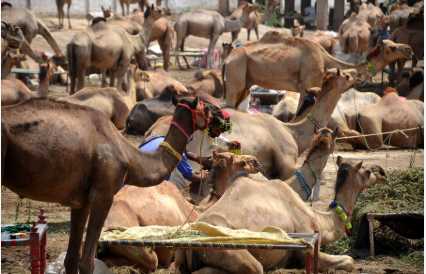
In the bustling cattle markets of Peshawar leading up to Eid ul Azha, towering camels adorned with colorful garlands, bells, and intricate henna art have become the star attractions. This shift reflects a growing cultural and economic transformation in local sacrificial practices. The vibrant displays not only draw crowds but also highlight changing preferences among worshippers.
Local traders report that demand for camel sacrifices has surged as families seek more unique offerings compared to traditional sheep or goats. These majestic animals, often seen alongside smaller livestock, are becoming increasingly popular due to their size and the festive atmosphere they bring to the markets.
The transformation is part of a broader trend observed in many parts of Pakistan where younger generations are embracing alternative sacrificial options beyond the normative practices. This change underscores evolving religious customs and consumer behaviors in rural and urban areas alike.
As Eid approaches, vendors have adapted their stalls accordingly, setting up elaborate displays to entice customers. The camels stand out not just for their size but also for the meticulous care they receive from handlers who groom them with great attention.
The cultural significance of these animals extends beyond mere sacrifice; they symbolize strength and resilience in Pakistani folklore. By choosing to offer camels, families are paying homage to this heritage while also catering to modern tastes.
Eid ul Azha is a significant occasion for Muslims worldwide where sacrificing an animal is considered a religious duty. However, the preference for camels over traditional offerings reflects a nuanced understanding of both cultural identity and personal choice among worshippers in Peshawar.
As Eid draws near, these festive camel markets will continue to captivate visitors with their unique blend of tradition and modernity, offering a glimpse into how local communities are adapting to changing times while honoring centuries-old customs.