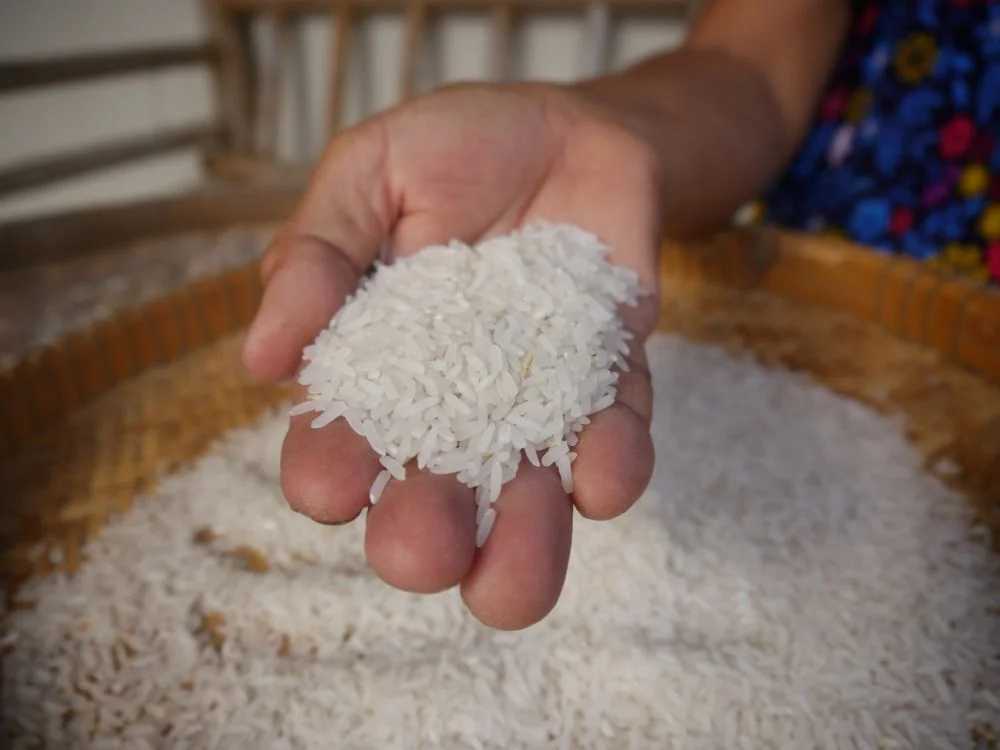
Pakistan is expanding its rice exports to Africa, Central Asia, and Far East markets as part of a diversified strategy to ensure uninterrupted trade flows.
Pakistan is taking steps to diversify its rice export strategy by targeting new markets in Africa, Central Asia, and the Far East. This move aims to reduce dependence on traditional export destinations that have experienced regional trade disruptions. The initiative reflects Pakistan's efforts to secure more stable trading relationships and enhance economic resilience.
The diversification of rice exports is part of a broader strategy aimed at ensuring uninterrupted supply chains for agricultural products. By expanding into these new regions, Pakistan hopes to mitigate risks associated with geopolitical tensions and other factors that can affect global trade flows. The country has been working closely with international partners and private sector entities to identify potential buyers and establish reliable export routes.
Trade experts believe this strategic shift will not only boost Pakistan's rice exports but also contribute positively to regional economic integration. By engaging with diverse markets, the Pakistani government is demonstrating its commitment to fostering a more inclusive and resilient agricultural sector that can withstand external shocks.
The diversification of rice exports comes at a time when global trade patterns are undergoing significant changes due to various geopolitical factors. Pakistan's proactive approach in exploring new export destinations showcases its adaptability and strategic foresight in navigating complex international markets. This move is expected to bring economic benefits not only to the agricultural sector but also to other industries that rely on rice as an input.
As part of this strategy, Pakistan has been actively engaging with potential buyers through trade missions and exhibitions. These efforts aim to build stronger relationships and secure long-term contracts in these emerging markets. The government has also been working on improving infrastructure and logistics capabilities to facilitate smoother transportation and distribution of Pakistani rice products.
The success of this diversification effort will depend on several factors, including the ability to meet stringent quality standards, establish a reliable supply chain, and address any potential challenges related to customs regulations and trade policies in new markets. However, with careful planning and execution, Pakistan is well-positioned to capitalize on these opportunities and solidify its place as a key player in global rice exports.
In conclusion, Pakistan's strategy of diversifying rice export markets represents a significant step toward building a more robust and sustainable agricultural sector. By exploring new trade routes and partnering with international partners, the country aims to secure long-term economic benefits for both producers and consumers alike.