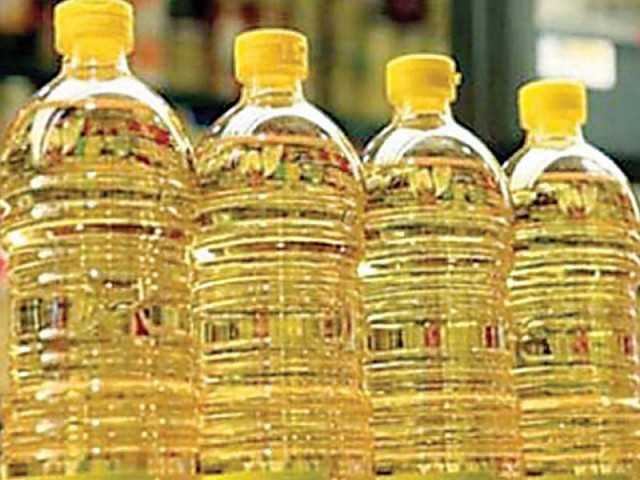
Pakistan sets goal to reduce dependence on imported edible oil, targeting 70 percent self-sufficiency by 2035 through expanded local oilseed production and olive cultivation efforts.
Pakistan has devised a comprehensive strategy to decrease its reliance on imported edible oil, with the ultimate goal of achieving 70 percent self-sufficiency by 2035. This ambitious plan involves the expansion of local oilseed production and the cultivation of olives, which are expected to play a significant role in reducing the country's dependence on foreign edible oil imports.
The Ministry of National Food Security and Research has outlined the details of this strategic plan in its Year Book 2024-25. According to the plan, the Pakistan Oilseed Department has developed a Strategic Development Plan that aims to boost domestic oilseed production and promote olive cultivation. This initiative is expected to have a positive impact on the country's economy, as well as its food security.
The government's decision to focus on edible oil self-sufficiency is a timely one, given the current global market trends and the country's increasing demand for edible oil. By promoting local oilseed production and olive cultivation, Pakistan can reduce its reliance on imported edible oil, which will not only save foreign exchange but also create new employment opportunities in the agriculture sector.
The success of this strategic plan will depend on various factors, including the government's ability to provide support to farmers, the availability of quality seeds and fertilizers, and the development of infrastructure for oilseed production and processing. If implemented effectively, this plan has the potential to transform Pakistan's edible oil sector, making it more self-sufficient and less reliant on imports.
In the long run, achieving 70 percent edible oil self-sufficiency by 2035 will have a positive impact on Pakistan's economy and food security. It will not only reduce the country's dependence on imported edible oil but also create new opportunities for farmers, processors, and other stakeholders in the edible oil sector. As the government moves forward with the implementation of this strategic plan, it is essential to monitor progress and address any challenges that may arise, to ensure that the target of 70 percent self-sufficiency is achieved by 2035.