India approves Rs 3,277.45 crore Dulhasti Stage-II project, escalating tensions over water security under the Indus Waters Treaty.
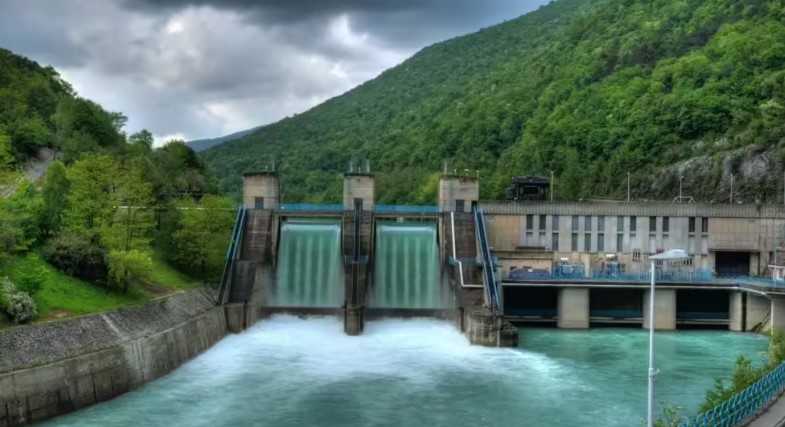
India’s approval of the controversial Rs 3,277.45 crore Dulhasti Stage-II run-of-the-river hydroelectric project on the Chenab River in Indian Illegally Occupied Jammu and Kashmir has significantly escalated hydro-political tensions with Pakistan. The project, which has a capacity of 260 MW, is seen as a direct challenge to Pakistan’s downstream water security and threatens the Indus Waters Treaty.
The Indus Waters Treaty, signed between India and Pakistan in 1960, aims to manage the waters of the Indus River system fairly. However, the Dulhasti-II project has raised concerns among Pakistani officials and experts who fear it could disrupt the flow of water downstream into Pakistan. This move by India is particularly contentious as it comes at a time when both countries are already grappling with strained relations due to various regional issues.
The approval of this project underscores India’s assertive stance on its control over the rivers that originate in Jammu and Kashmir, which are crucial for Pakistan's agriculture and power generation. The Pakistani government has expressed strong objections and is likely to seek international mediation to address these concerns. The Indus Waters Commission, mandated by the treaty, will play a critical role in resolving any disputes arising from this project.
The escalation of tensions over water resources highlights the broader geopolitical dynamics between India and Pakistan, which have been increasingly focused on hydro-political issues. As both nations continue to develop their infrastructure projects along shared river systems, maintaining stability and cooperation becomes more challenging. The future of the Indus Waters Treaty and regional peace hinges on how these disputes are managed in the coming years.
This development is part of a larger pattern of India’s assertiveness over water resources, which has been a recurring issue in bilateral relations. Pakistan remains vigilant and prepared to take all necessary steps to protect its national interests, including seeking support from international forums such as the United Nations.