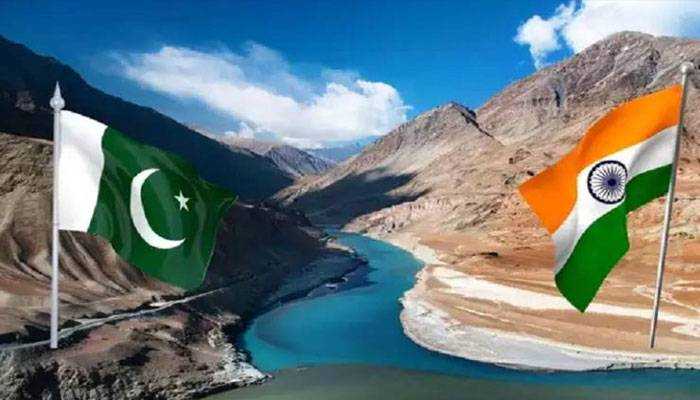
The International Court of Arbitration's decision in favor of Pakistan has dealt a significant blow to India's stance on the Indus Waters Treaty, according to experts.
India faces a major diplomatic and legal setback following a historic ruling by the International Court of Arbitration (ICA) in The Hague regarding the Indus Waters Treaty (IWT). The ICA’s award on the interpretation of the treaty has ruled that India must adhere to certain aspects of the agreement, which could have far-reaching implications for bilateral relations between Pakistan and India.
Experts are analyzing the impact of this ruling, which is seen as a significant shift in favor of Pakistan. The decision by the ICA, an independent institution established under the United Nations Commission on International Trade Law (UNCITRAL), has underscored the importance of international arbitration in resolving disputes over water resources. This ruling could set a precedent for similar cases involving other countries and their agreements.
The implications of this ruling extend beyond just legal obligations; it also signals a shift in diplomatic dynamics between Pakistan and India. The decision by the ICA, which is respected globally, has given Pakistan a strong legal ground to argue its case against any unilateral actions taken by India regarding water usage under the IWT. This could potentially lead to increased cooperation or at least more transparent negotiations between the two countries on water management issues.
India’s response to this ruling remains to be seen, but experts predict that it will face significant pressure to comply with the ICA's decision. The international community is likely to closely monitor how India handles this situation, given its historical reluctance to engage in arbitration over such matters. This ruling could also impact future negotiations and agreements between the two nations, potentially leading to more stringent oversight of water usage.
In conclusion, the International Court of Arbitration’s ruling on the Indus Waters Treaty has not only dealt a significant blow to India's diplomatic stance but also reinforced Pakistan's legal position. As both countries navigate this new reality, the international community will be watching closely to see how these developments unfold and what changes they might bring to their long-standing water disputes.