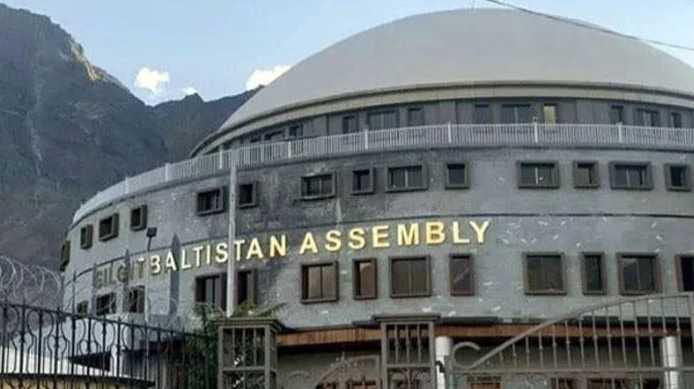
The final list of candidates for the Gilgit-Baltistan Assembly General Elections 2026 has been released, featuring 403 candidates across 24 constituencies with a notable presence of independent candidates.
The Gilgit-Baltistan Assembly General Elections 2026 have taken a significant step forward with the release of the final list of candidates. As per the official figures, a total of 403 candidates are set to contest the elections across the 24 constituencies of Gilgit-Baltistan. This development marks an important milestone in the electoral process, paving the way for a competitive and potentially historic election.
The breakdown of the candidate list reveals an interesting trend, with independent candidates making up a substantial portion of the total contenders. This suggests that many individuals are choosing to run without the backing of a major political party, which could lead to a diverse range of voices and perspectives being represented in the election. However, despite this diversity, the representation of women among the candidates remains significantly low, highlighting the ongoing challenge of promoting gender equality in the region's political landscape.
The election is expected to be closely watched, given the strategic importance of Gilgit-Baltistan and its potential to shape the future of the region. With 24 constituencies up for grabs, the candidates will be vying for the support of the electorate, presenting their visions and policies to the people of Gilgit-Baltistan. The outcome of the election will not only determine the composition of the assembly but also have broader implications for the region's development and governance.
As the election campaign gains momentum, the candidates will be engaging with voters, addressing their concerns, and outlining their plans for the region's progress. The people of Gilgit-Baltistan will have the opportunity to exercise their democratic right, choosing representatives who will shape the future of the region. The election commission and other stakeholders will be working to ensure a free, fair, and transparent electoral process, which is essential for the legitimacy and credibility of the outcome.
In the coming weeks, the campaign trail will be bustling with activity, as candidates and their supporters work tirelessly to win over the electorate. The media, civil society, and the public will be closely monitoring the developments, analyzing the candidates' manifestos, and evaluating their track records. Ultimately, the Gilgit-Baltistan Assembly Elections 2026 will be a crucial test of the region's democratic institutions and its ability to usher in a new era of peace, stability, and prosperity.