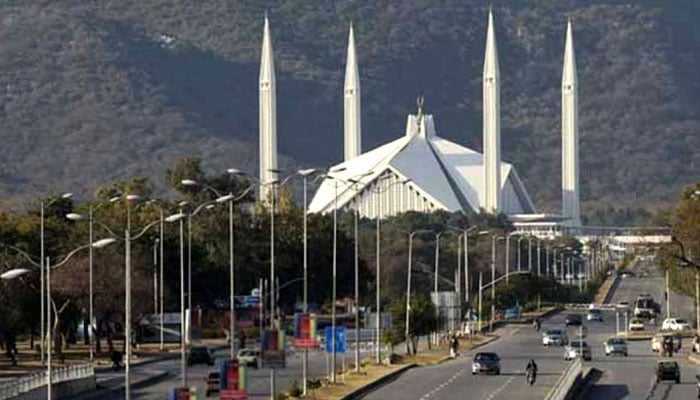
Islamabad's new leadership outlines comprehensive reforms to streamline governance, enhance digital services, and transform the city into a Smart City.
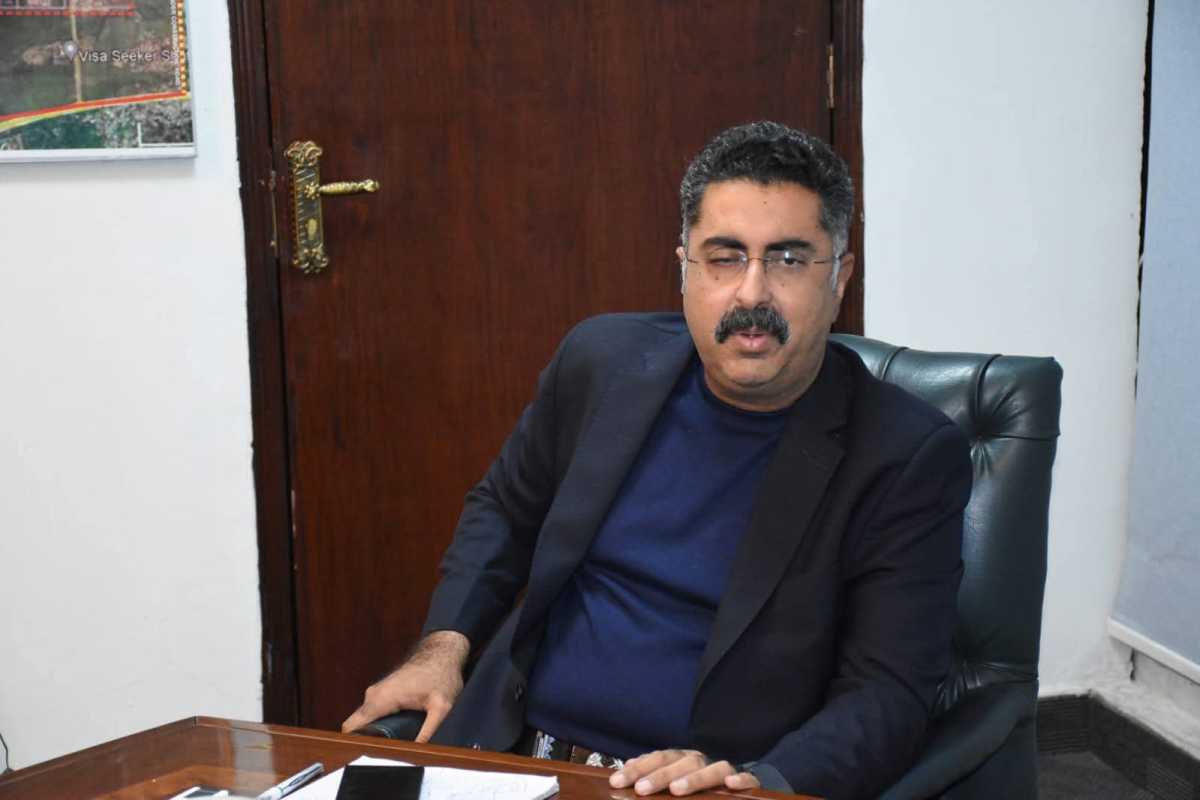
Islamabad’s elected Chief Minister has unveiled ambitious plans to overhaul the capital’s administrative structure. The proposed reforms aim to reduce institutional duplication and improve overall efficiency in governance. According to the CM, this initiative will not only address current bureaucratic inefficiencies but also lay the groundwork for future development.
The new roadmap includes a five-year plan that targets comprehensive metropolitan governance reform. Key aspects of the overhaul include the integration of digital technologies into city services, aligning with the Smart City model. This approach seeks to leverage modern technology to enhance public service delivery and citizen engagement. By linking governance reforms with digital transformation, the administration hopes to create a more responsive and transparent urban environment.
The proposed changes are expected to have far-reaching impacts on various sectors of the capital’s administration. They will streamline processes, reduce redundancies in government departments, and foster collaboration among different agencies. The ultimate goal is to provide citizens with better access to services while ensuring sustainable development and improved quality of life.
This comprehensive governance overhaul represents a significant step forward for Islamabad as it continues to evolve into a modern metropolis. By embracing digital transformation and streamlining administrative processes, the city aims to set new standards in urban management and citizen-centric service delivery.