Local traders and laborers demand government intervention to revive Bara Bazaar and Tirah markets in Khyber tribal district, suffering from unemployment, lack of amenities, and displacement.
The historic commercial centers of Bara Bazaar and the main markets of Tirah in Khyber tribal district continue to suffer from severe economic decline, widespread unemployment, and a lack of basic amenities. Local traders, laborers, and displaced businessmen are demanding swift government intervention to restore these vital marketplaces that once thrived as hubs for vibrant trade.
President of the Bara Traders Union Syed Ayaz Wazir recalls how Bara Bazaar was renowned across Pakistan before 2009, housing over 10,000 shops and thousands of warehouses. The market's prosperity attracted people from all over the country seeking livelihoods through transit trade and other business activities that employed thousands. However, in September 2009, the market was shut down due to a military operation against terrorists and remained closed for several years. During this period, most markets were deserted, shops and buildings suffered heavy damage, and commercial activity came to a standstill.
The market reopened in February 2016, but traders lacked the capital needed to revive their businesses. "Eleven years have passed since the market reopened, yet it has failed to regain its past glory," Wazir said with regret. He stressed that development is impossible without peace and stability, urging all relevant authorities to fulfill their responsibilities effectively to restore confidence among traders and the public.
Wazir highlighted that the roofs of most shops were badly damaged during the prolonged closure. Many have collapsed during rains, causing financial losses and, in some cases, injuries. He called on the provincial government to provide interest-free loans to affected traders and complete the reconstruction of damaged markets and shops. Additionally, he demanded the establishment of a modern training center in Bara Bazaar to equip young traders and workers with business and vocational skills, which he believes would create respectable employment opportunities for local youth.
Expressing serious concern over the dysfunctional sewage system, Wazir said rainwater floods markets and shops due to poor drainage. The Tehsil Municipal Administration (TMA) has virtually no presence in addressing these issues. He appealed to Chief Minister Sohail Afridi, who hails from the area, to issue special directives for improving clean drinking water, electricity, gas, road pavements, and sanitation on a priority basis.
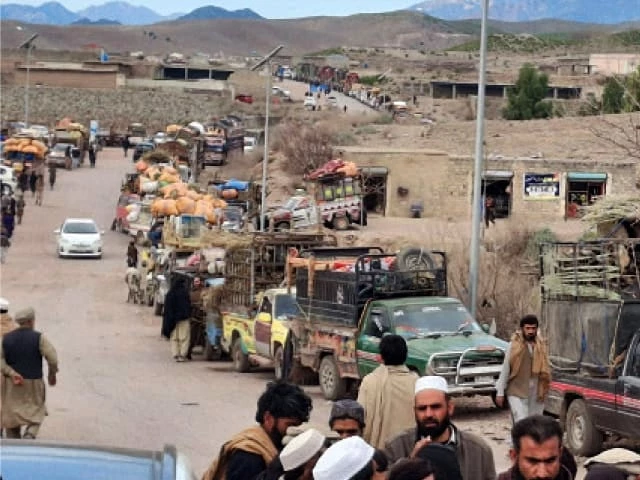
In Tirah, over 8,000 traders along with the local population were displaced from Tirah Maidan and are currently living as internally displaced persons (IDPs). Only about 10 per cent have managed to restart businesses in Bara, Jamrud, or Peshawar, while the majority remain unemployed and in distress. President of the Tirah Traders Community, Muhammad Sher Afghan Afridi, the trading community has suffered losses exceeding Rs500 million in the last four months alone, with losses mounting daily.
Markets in Lorbagh, Barbagh, and Pir Mela have been badly affected by road construction and monsoon rains. The situation underscores the urgent need for comprehensive support from government authorities to revitalize these vital economic centers and provide much-needed relief to the local community.