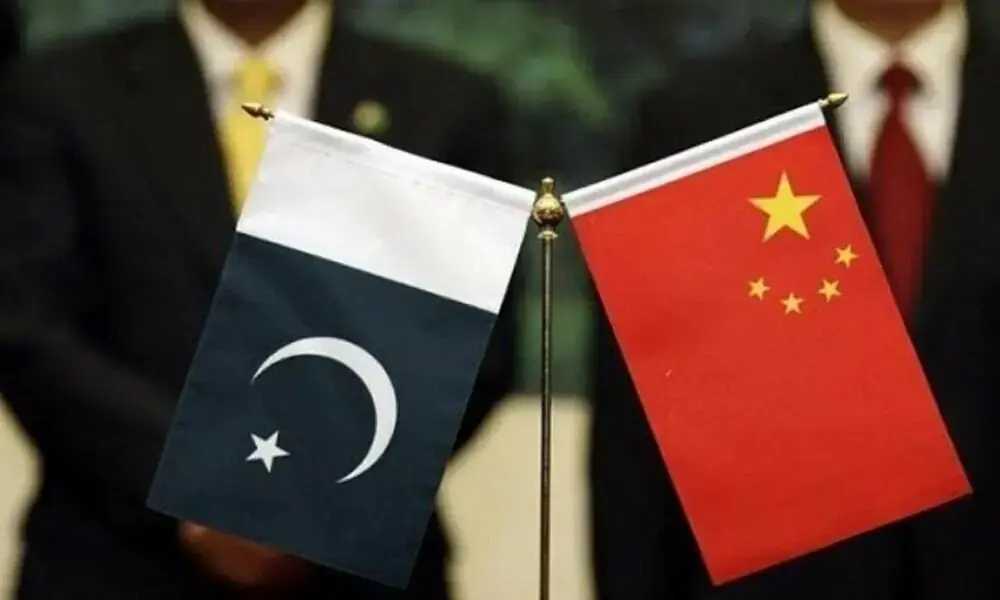
China and Pakistan poised for renewed cooperation following a long-standing partnership spanning over 75 years.
China and Pakistan are set to renew their close relationship with a fresh vigor after nearly eight decades of strong ties. The two nations are expected to welcome Prime Minister Shahbaz Sharif's visit later this week, marking an important milestone in their enduring bilateral partnership that has been one of the most significant foreign relations in modern times.
The renewed efforts come as both countries seek to strengthen their strategic and economic cooperation. Pakistan has completed landmark projects under China-Pakistan Economic Corridor (CPEC), which aims to connect the country's landlocked regions with the Arabian Sea through a network of roads, railways, and energy infrastructure. These initiatives have not only boosted economic growth but also deepened mutual trust between the two nations.
Beijing is eager to leverage Pakistan’s geographical advantages for its broader regional and global ambitions. The visit by Prime Minister Sharif will likely cover discussions on various bilateral issues including trade, investment, security cooperation, and connectivity projects under CPEC. This renewed engagement could pave the way for further joint ventures in sectors such as energy, agriculture, and technology.
The 75-year history of China-Pakistan relations has been characterized by mutual support during challenging times. From supporting each other through international conflicts to collaborating on major infrastructure projects, the partnership has stood the test of time. As they look forward to a new chapter, both countries aim to build upon their shared legacy and forge stronger ties for mutual benefit.
This renewed cooperation is expected to bring significant opportunities for economic growth and development in Pakistan while enhancing Beijing's influence in South Asia. The visit by Prime Minister Sharif is seen as a crucial step towards solidifying this historic relationship and ensuring continued progress on bilateral fronts.