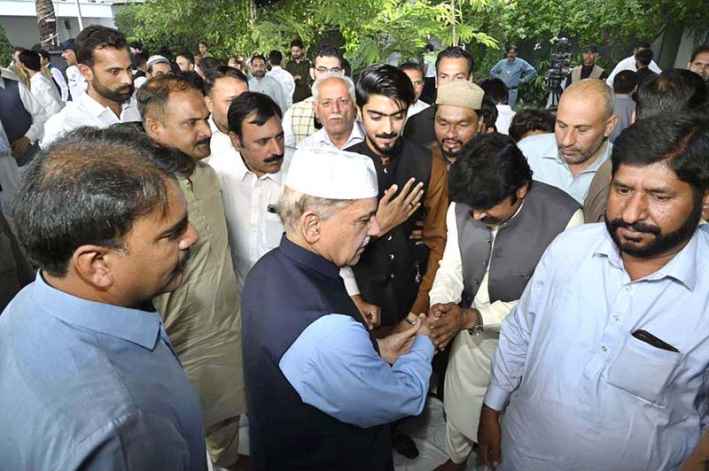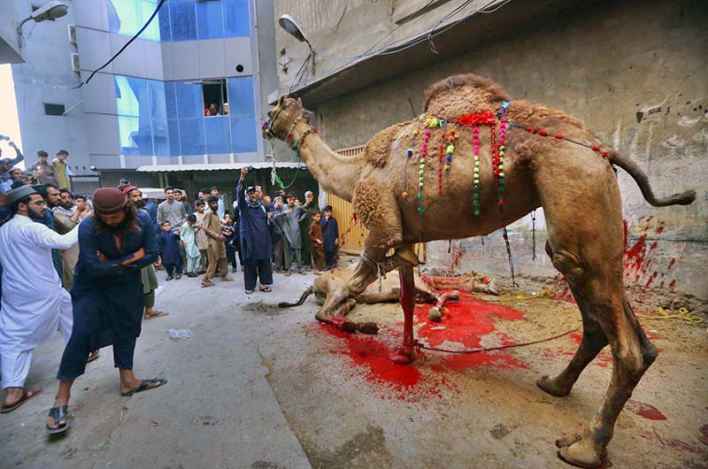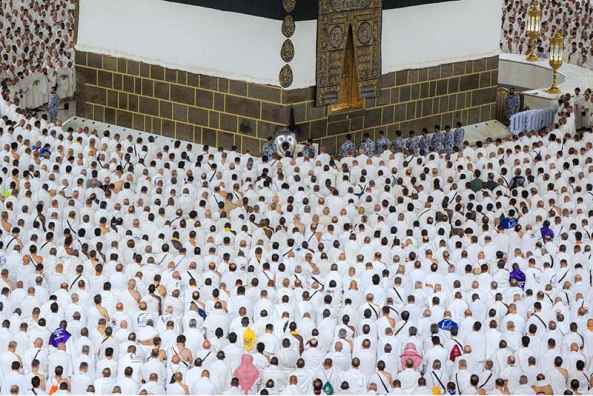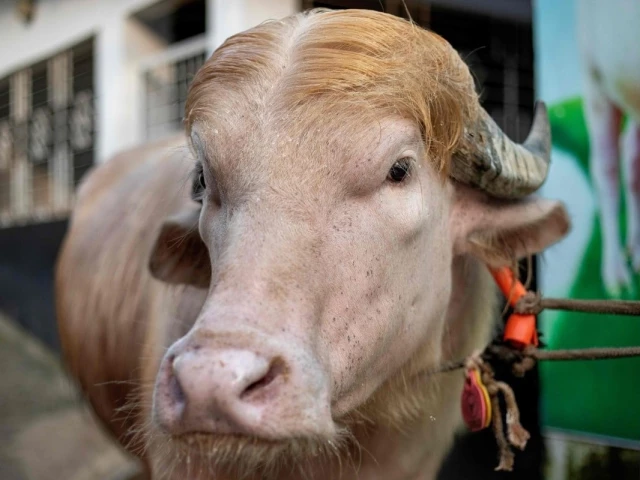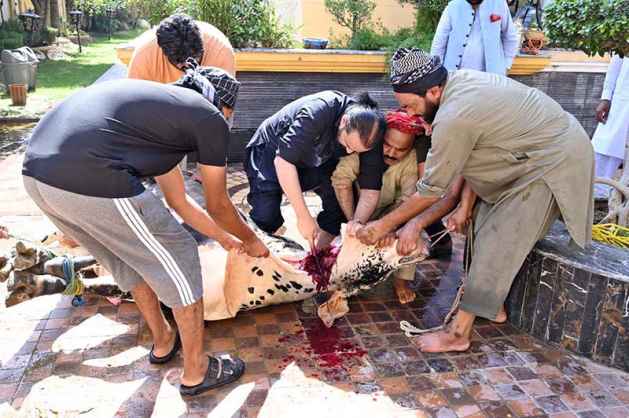
Butchers start sacrificing animals for Eidul Azha celebrations, marking the beginning of the religious observance in Pakistan.
Butchers across Pakistan have begun slaughtering sacrificial animals on the first day of Eidul Azha, marking the official start of the religious observance. The tradition, which is deeply rooted in Islamic culture, sees millions of Muslims around the country offering their sacrifices to commemorate Prophet Abraham’s willingness to obey God.
Local butchers and traders are busy preparing for the high demand that comes with this significant day. Markets across major cities like Karachi, Lahore, and Islamabad are bustling as families gather to select and purchase their animals. The process is both a communal event and an economic activity, with many small businesses relying on the influx of customers.
Eidul Azha, also known as the Festival of Sacrifice, falls on the 10th day of Dhu al-Hijjah in the Islamic calendar. This year, it coincides with September 27-28, depending on the sighting of the moon. The act of sacrifice is seen as a demonstration of submission to God’s command and is performed by Muslims who can afford to do so.
According to religious scholars, the animal must be healthy and of an appropriate age, typically between one and two years old. Sheep are the most commonly sacrificed animals, followed by goats, cows, and camels. The meat from these sacrifices is then distributed among family members, friends, and the less fortunate as a way of sharing blessings.
While the slaughtering process is underway, efforts are being made to ensure that it is conducted humanely. Animal welfare organizations have issued guidelines to help butchers perform the ritual without causing undue distress to the animals. These include ensuring the animal is properly restrained before slaughter and administering a swift blow to the neck to minimize pain.
The economic impact of Eidul Azha cannot be understated, as it boosts local economies through increased spending on food, clothing, and other goods. The tradition also fosters community bonding and charitable acts, making it an integral part of Pakistani culture beyond just religious observance.