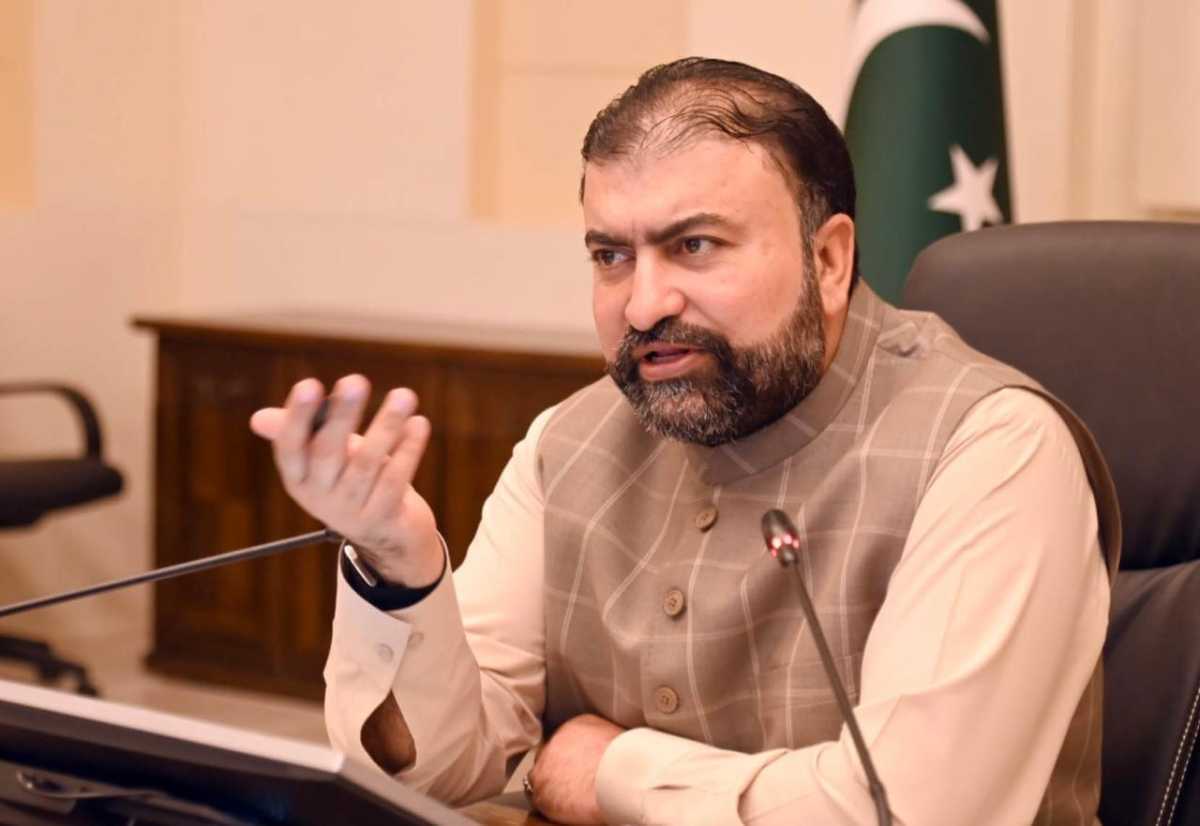
The Balochistan government has taken a proactive step to address the looming threat of extreme weather conditions by formally approving a comprehensive contingency plan. This decision was made at a crucial meeting of the Provincial Disaster Management Commission, which was chaired by Chief Minister Mir Sarfraz Bugti. The plan is specifically designed to tackle the challenges posed by the monsoon 2026 season, which is expected to bring heavy rainfall and potential flooding to the region.
The contingency plan is a well-thought-out strategy that aims to mitigate the impact of extreme weather events on the population and infrastructure of Balochistan. It outlines the roles and responsibilities of various government agencies, emergency services, and other stakeholders in responding to natural disasters. The plan also identifies potential vulnerabilities and areas of concern, allowing for targeted interventions and resource allocation.
The approval of the contingency plan demonstrates the Balochistan government's commitment to prioritizing public safety and well-being. By taking a proactive approach to disaster management, the government hopes to minimize the risk of loss of life and property damage. The plan will be regularly reviewed and updated to ensure that it remains effective and relevant in the face of evolving weather patterns and emerging challenges.
The monsoon 2026 season is expected to be particularly challenging, with forecasters predicting heavy rainfall and potential flooding in several parts of the province. The contingency plan will play a critical role in helping the government respond to these events, ensuring that emergency services are deployed quickly and effectively, and that affected communities receive the support they need. With the plan in place, the Balochistan government is better equipped to handle the uncertainties of extreme weather and protect its citizens from harm.
The implementation of the contingency plan will require close collaboration between government agencies, emergency services, and local communities. It will also involve raising public awareness about the risks associated with extreme weather events and the importance of taking preventive measures. By working together, the people of Balochistan can help reduce the impact of natural disasters and build a more resilient and sustainable future for themselves and their communities.