The Daanish plan for Gilgit-Baltistan aims to provide free education, meals, and uniforms to students, with a focus on promoting education in the region.
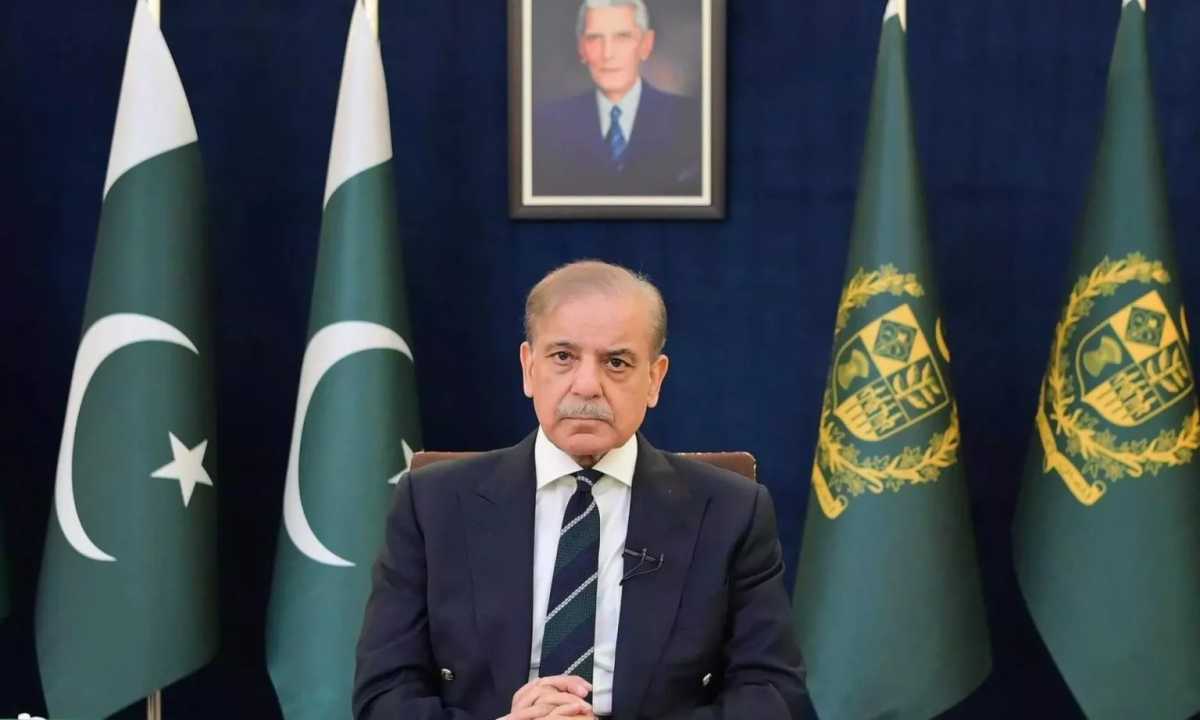
The announcement of four Daanish schools for Gilgit-Baltistan by Prime Minister Shehbaz Sharif has sent a wave of excitement through the region's parents and teachers. The promise of free education, meals, and uniforms, along with access to smart boards and e-libraries, is a significant investment in the region's children. This initiative is not just a marginal intervention, but a comprehensive effort to provide quality education to the students of Gilgit-Baltistan.
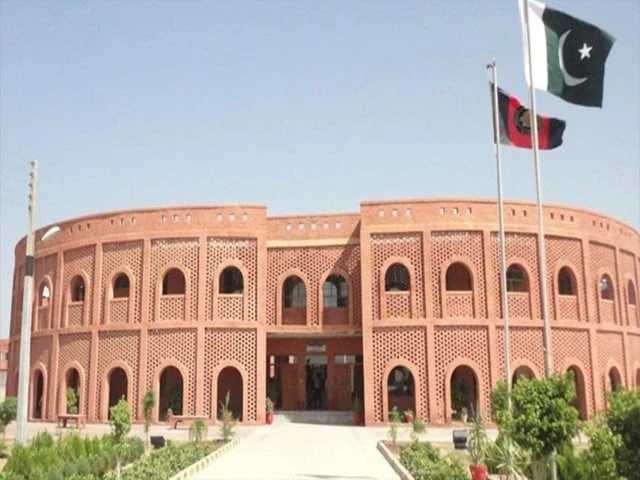
The Daanish model has a proven track record, with its first campuses established in southern Punjab from 2010 onward. The model identifies academically promising children from poor districts and provides them with residential placements and elite resources. The schools are held accountable for measurable outcomes, and the results have been impressive, with students from previously underrepresented districts gaining admission to national universities. By extending this model to Gilgit-Baltistan, the federal government is making a structural commitment to the idea that talent in the region is equal to talent in other parts of the country and deserves equal investment.
The decision to provide smart boards and e-libraries is a well-calibrated move, as these resources will be transformative for the region's children. Many students in Gilgit-Baltistan have never had reliable access to a school library, let alone a digital one. The e-libraries will be powered by the Prime Minister's 100 megawatt solar scheme, which is a federal gift to the region. The two flagship projects, energy and education, have been designed to reinforce each other, demonstrating a systems-based approach to planning.
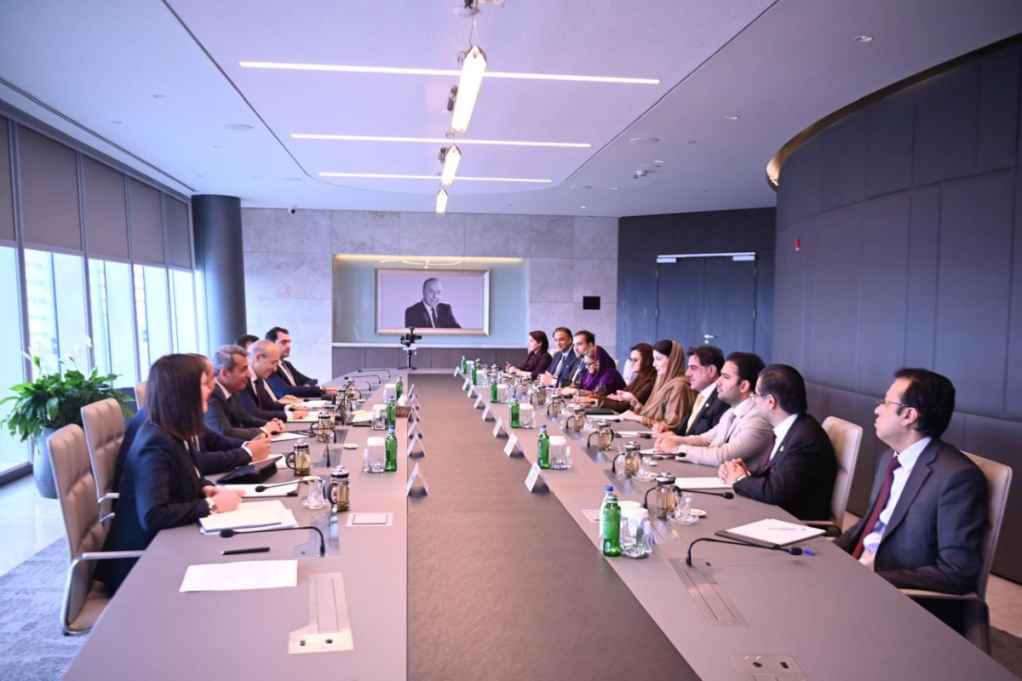
The choice to make meals and uniforms free is a crucial aspect of the Daanish design. Research has shown that small, recurring costs are often the reason why children drop out of school in rural areas. By removing these costs, the Daanish schools will help to lift a significant barrier to education in Gilgit-Baltistan. The impact on female enrollment is likely to be particularly significant, as girls are often kept home due to the inability to afford uniforms or other expenses. The federal government's commitment to delivering this initiative is evident in the presence of a high-level cabinet team at the launch, signaling that this is a priority project.
The Prime Minister's announcement of laptops and youth loans rounds out a continuum of support, from primary school to first business. A child who enters a Daanish school in 2027 and exits with a laptop and a small business loan a decade later will have access to a completely new path, opened up by this government. While there are still questions to be answered about teacher recruitment, siting, and maintenance of digital equipment, the broad architecture of the plan is correct. The investment of this scale has not been attempted before in Gilgit-Baltistan, and it is happening now because of a Prime Minister who has chosen to make children in the region a priority.
The Daanish announcement in Gilgit-Baltistan is a meaningful step in the right direction, placing the federal government on the side of the region's youngest learners. The initiative demonstrates a commitment to providing the resources and political seriousness required to support the region's children. As a senior education policy researcher in Gilgit-Baltistan, it is clear that this initiative has the potential to make a significant impact on the region's education landscape. With the right implementation and support, the Daanish schools can help to unlock the potential of the region's children and provide them with the opportunities they deserve.