Saudi Arabia deploys over 5,200 towers and advanced AI systems for efficient Hajj services in 1447 AH season.
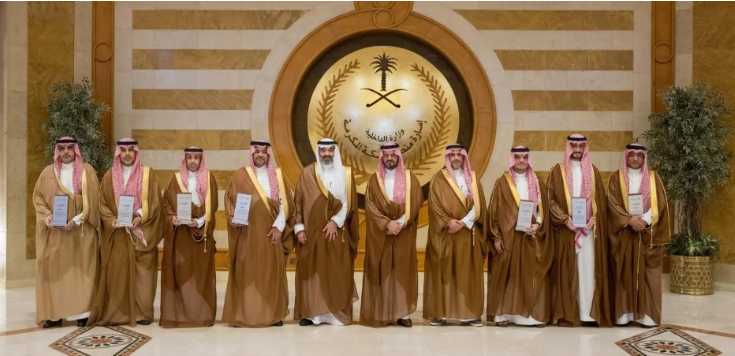
Saudi Arabia is leveraging a robust network of more than 5,200 communication towers and sophisticated artificial intelligence (AI) systems to enhance digital operations during the upcoming Hajj pilgrimage. Deputy Governor Prince Saud bin Mishaal bin Abdulaziz recently reviewed the readiness of these technologies, which include AI-driven systems for crowd management and improved pilgrim services across holy sites.
According to a statement from SPA, the deputy governor highlighted the importance of ensuring seamless communication networks to support millions of pilgrims during this significant religious event. The deployment of advanced technology aims to streamline processes, reduce congestion, and ensure safety for all participants.
The digital infrastructure includes high-capacity towers that cover vast areas around major pilgrimage sites such as Mina, Arafat, and Mount Mercy. These towers are equipped with state-of-the-art communication equipment to provide reliable internet connectivity, enabling pilgrims to stay connected with loved ones back home through video calls and social media updates.
In addition to the network infrastructure, AI systems play a crucial role in optimizing crowd management. Automated surveillance cameras and facial recognition technology help authorities monitor crowds more effectively, allowing for quick responses to any potential issues. Predictive analytics tools are also being utilized to forecast traffic patterns and optimize resource allocation during peak times.
The integration of these digital solutions is part of Saudi Arabia's broader efforts to modernize religious tourism practices and ensure a safe and enjoyable experience for all pilgrims. By harnessing cutting-edge technology, the country hopes to enhance the overall Hajj experience while maintaining its rich cultural traditions.
This initiative underscores Saudi Arabia's commitment to leveraging innovation in service delivery during one of Islam's holiest events. The successful implementation of these digital systems could serve as a model for future religious gatherings and tourism operations worldwide.