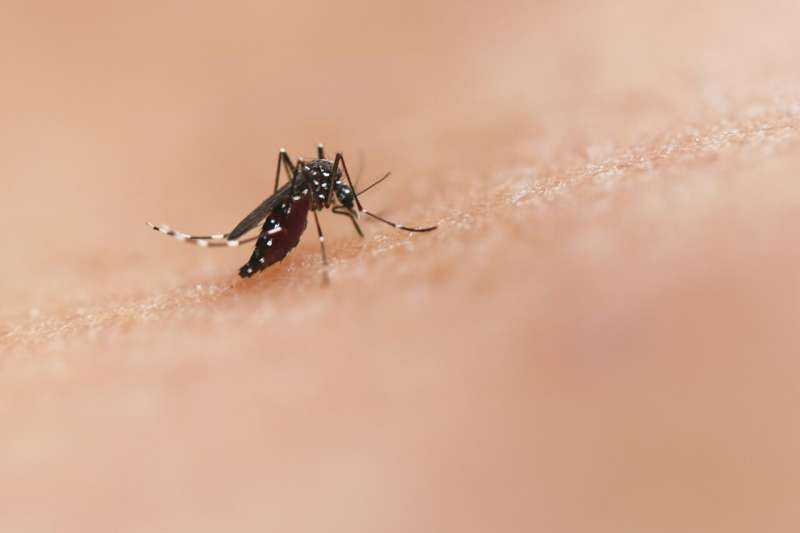
The chikungunya virus has been making a comeback in many parts of the world, bringing with it a host of debilitating symptoms, including high fever and intense joint swelling and pain. This viral disease, which is spread by infected Aedes mosquitoes, has been a major concern for public health officials and researchers alike. One of the most worrying aspects of chikungunya is its potential to develop into a chronic condition, leaving patients to suffer from prolonged periods of joint pain and swelling.
The virus itself is not new, having been first identified in the 1950s in Africa. However, in recent years, it has experienced a significant resurgence, with outbreaks reported in many countries around the world. This has led to a renewed focus on understanding the virus and its effects on the human body. Researchers have been working to uncover the reasons behind the virus's ability to turn chronic in some patients, with the hope of developing more effective treatments and prevention strategies.
One of the key factors that contributes to the development of chronic chikungunya is the virus's ability to persist in the body for extended periods. In some cases, the virus can remain active in the joints and other tissues, causing ongoing inflammation and pain. This can lead to a range of complications, including arthritis, tendonitis, and other musculoskeletal problems. Understanding how the virus is able to evade the immune system and persist in the body is crucial to developing effective treatments for chronic chikungunya.
As researchers continue to study the chikungunya virus and its effects on the human body, it is clear that more needs to be done to prevent and treat this debilitating disease. This includes developing more effective mosquito control measures, improving diagnostic tests, and creating new treatments that can target the virus and reduce its ability to turn chronic. By working together to address the challenges posed by chikungunya, we can hope to reduce the suffering of those affected and prevent future outbreaks from occurring.